
武蔵コーポレーション株式会社の口コミ・評判は?節税セミナーの多い不動産会社
こんにちは!
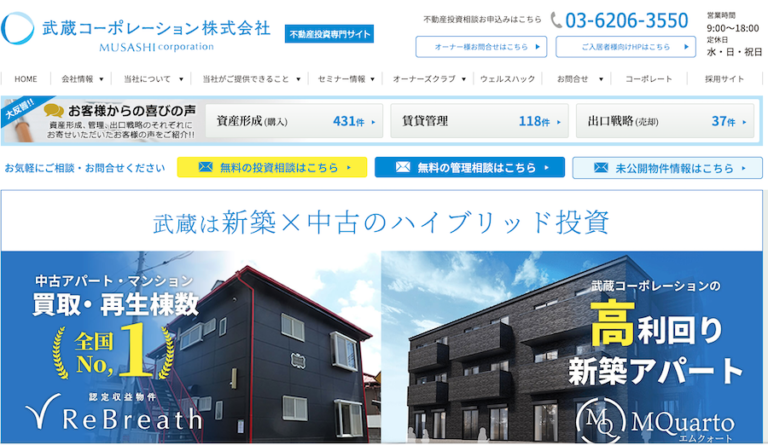
今回は、「武蔵コーポレーション株式会社」について取り上げます。
評判、口コミ、不動産管理(建物修繕管理、賃貸管理)、スタッフサービス、会社概要など詳しくまとめているので、不動産投資で失敗しないためにもぜひご覧ください!
当ブログの管理人

当ブログの管理人

理系出身の現役サラリーマン投資家。40代の独身男性(結婚経験は有)。不動産投資を中心に投資信託や株式投資を実践中。現在、区分マンション13戸・ファミリーマンション2戸・一棟アパート4棟を保有中。投資信託や株で3億円強を運用中。不労所得は年収の2倍強。現物資産である不動産と投資信託や株などの金融商品の組み合わせることで相互補完をし、安定的な資産形成を行っています。
不動産投資に対するモットーは『売却益を得られてこその不動産投資』です。
ワンルームマンションであろうが、ファミリーだろうが、一棟アパートであろうが!売り抜いて売却益を得ないことには意味がありません。
・節税
・老後年金
・生命保険代わり
否!!不動産投資は不動産で儲けてこそです!

不動産投資は節税目的で買うと失敗する!脱税に加担してしまうケースも!?
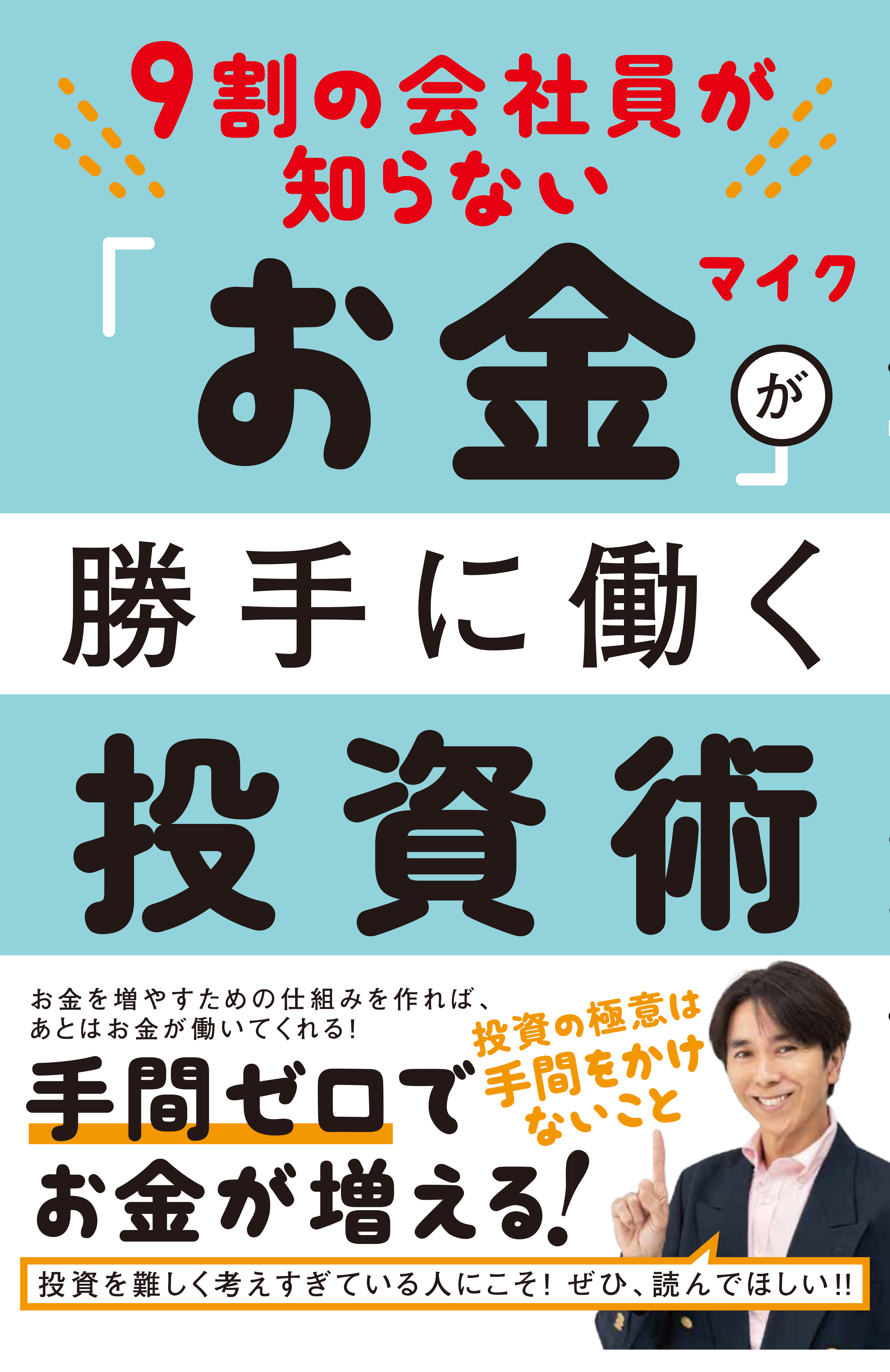
書籍を出版しています。
サラリーマンの資産形成について体系的にまとめていますので、まだ未読の方はぜひ読んでくださいね!
武蔵コーポレーション株式会社とは?
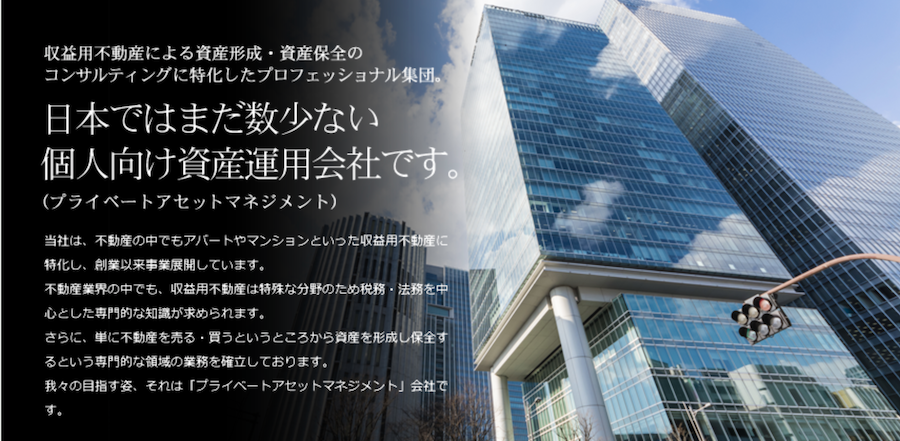
武蔵コーポレーション株式会社は、収益用不動産に特化しています。個人の資産保全や資産形成の手助けをする資産運用会社です。展開しているエリアは首都圏です。
幅広く「個人」がターゲットというわけではなく、武蔵コーポレーションがメインで対象にしているのは「富裕層」となっています。富裕層の方へ向けて収益用不動産物件を扱う会社というのは特徴的ですね。
ではさっそく見ていきましょう。
武蔵コーポレーション株式会社の会社概要
| 会社名 | 武蔵コーポレーション株式会社 |
| 所在地 | ■東京本社 〒100-6229 東京都千代田区丸の内1-11-1 パシフィックセンチュリープレイス丸の内29階 [MAP]■さいたま支店 〒330-8669 埼玉県さいたま市大宮区桜木町1-7-5 ソニックシティビル21F [MAP] |
| 代表者 | 大谷 義武 (おおや よしたけ) |
| 連絡先 | ■東京本社 TEL:03-6206-3550 FAX:03-6206-3560■さいたま支店 TEL:048-649-0333 FAX:048-649-3331 |
| 決算 | 8月 |
| 資本金 | 1億円 |
| 設立 | 平成17年12月9日 |
| 免許 | 宅地建物取引業 国土交通大臣 第8555号 |
| 業務内容 | 収益用不動産の売買・仲介・賃貸管理 |
| 建設業 | 許可番号 国土交通大臣許可(般一30)第27104号 |
| 社員数 | 150名 (パート、派遣社員含む) ※グループ会社を含む |
| 取引金融機関 | 埼玉りそな銀行 大宮支店 埼玉縣信用金庫 本店営業部 足利銀行 大宮支店 大光銀行 大宮支店 東和銀行 大宮支店 群馬銀行 与野支店 栃木銀行 大宮支店 城北信用金庫 大宮支店 東日本銀行 与野支店 北越銀行 浦和支店 武蔵野銀行 本店営業部 飯能信用金庫 本店営業部 八十二銀行 大宮支店 日本政策金融公庫 浦和支店 三菱東京UFJ銀行 大宮支店 商工中金 さいたま支店 (順不同) |
| 所属団体 | 公益社団法人 全日本不動産協会 公益社団法人 不動産保証協会 公益財団法人 日本賃貸住宅管理協会 |
武蔵コーポレーション株式会社は埼玉県で創業しました。平成29年に埼玉から東京へと本部を移転、平成30年5月には本社を東京の丸の内へと移転しています。
創業者である大谷義武社長は、平成17年に東京大学を卒業し、大手不動産会社である三井不動産で働いた経験がある方です。売上高・経常利益ともに創業から右肩上がりで成長を続けている会社です。
武蔵コーポレーション株式会社の会社としての評判・特徴は?
武蔵コーポレーションが重きを置いている事業は、資産運用の支援です。そのための事業として、マンションやアパートなどの不動産資産の売買、仲介や管理業務、出口戦略までと、購入で終わりではなく、売却するまでのトータルサポートとして展開しています。
また、賃貸管理も行っており、手間のかかるオーナー業務を代行してくれるため、本業に支障をきたすことなくマンション経営が可能です。
武蔵コーポレーション株式会社の物件の特徴は?
武蔵コーポレーションが対象としているのは富裕層の人たちです。実際に公式ホームページでも
- 「武蔵コーポレーションは富裕層の方々を対象に資産形成及び資産保全のお手伝いをする資産運用会社です」
- 「当社の対象は富裕層の方々になります」
と、はっきり名言してます。
富裕層というと、純資産1億円以上ということになります。
ターゲットを絞るというのは、ビジネスのやり方としては正しいと言えますが、サラリーマンであれば大半が対象外となりますので、地主や起業家、事業主などがメインターゲットとなるでしょう。
紹介している物件は、武蔵コーポレーション独自のネットワークによって集められています。一般的に出回わらないような不動産物件情報を集めて紹介していると謳っています。
一般的な不動産会社が利用するのは「レインズ」という仕組みです。レインズは「不動産流通標準情報システム」の略称です。開発には建設省が関わり、全国4つの不動産流通機構が運営する、不動産情報交換のためのシステムです。
ですが、武蔵コーポレーションはレインズの情報には頼らず、自社のネットワークを活かして一般的に出回わらないような不動産物件の情報を集めて紹介しているようです。
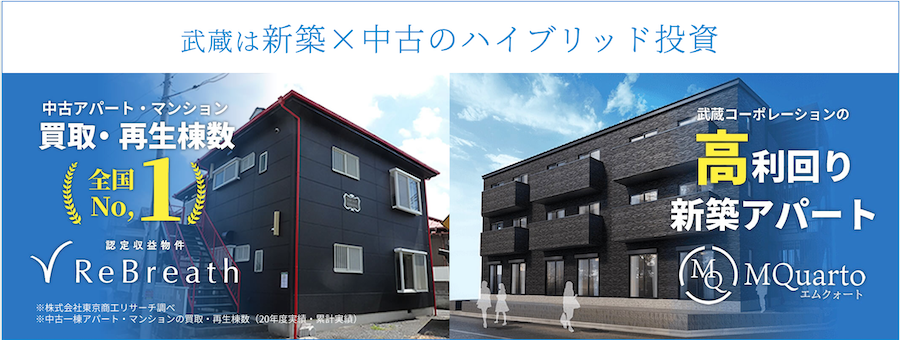
また、武蔵コーポレーションは認定再生物件の「ReBreath」、新築アパート「MQuarto」を自社ブランドとして展開しています。
ちなみに、独自ネットワークというと聞こえ方は非常に良いですが、独自ネットワーク=良い物件が出てくる、とは限りません。他社では出てこない物件という意味ではあるのでしょうが、投資対効果には直接影響のない特徴と言えます。くれぐれも言葉に惑わされないようにしましょう。
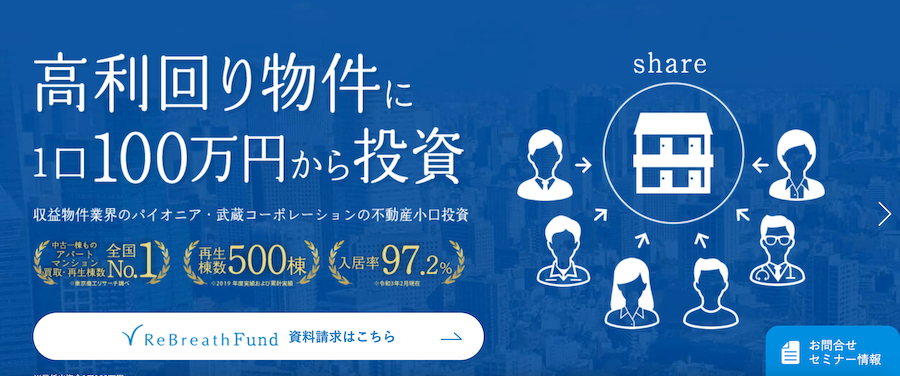
一口100万円から投資できるReBreath Fund(リブレスファンド)
武蔵コーポレーション株式会社では、不動産小口投資の商品も提供しています。地方都市の大型マンションを中心に投資する特徴があり、築古の物件を再生して運用するため、高利回りが狙えると謳っています。分配金の想定利回りは5%だそうです。
利回りの高さに期待できることはもちろんですが、小口化された現物不動産の所有権を持つことができる点もメリットの1つですね。
不動産は新築・中古どちらがいい?
武蔵コーポレーションに限らず、不動産投資で意見が分かれるのが新築か中古か、という点。
どちらにもメリットデメリットがあり、その人の投資スタンスによって選ぶべき物件の種類も決まってきます。
ちょっと長くなりますので、下記記事にまとめています。ぜひお読みください。
武蔵コーポレーション株式会社のサポート・管理体制
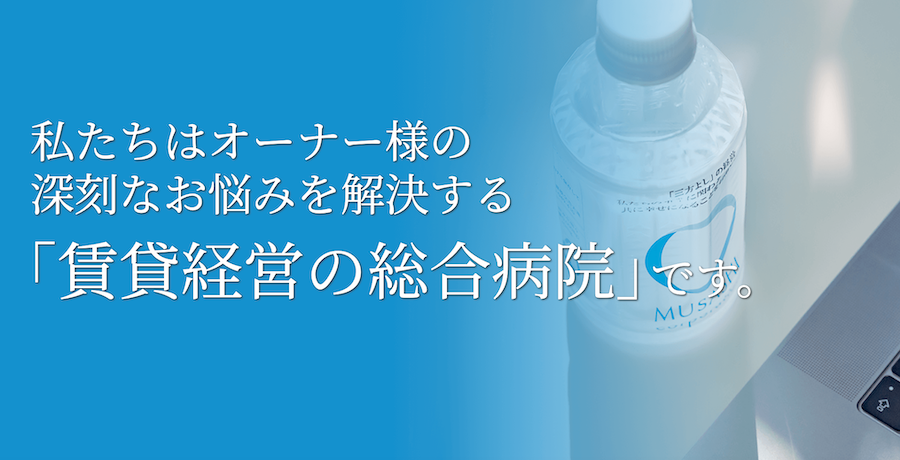
創業以来、15,000戸以上の賃貸管理と、1,400棟以上の仲介・売買を行ってきていますので、経験や実績は豊富です。
また、社長や社員自らが不動産投資を行っているので、購入者と同じ立場や投資家目線でのアドバイスは期待できるかもしれません。
物件の管理も自社でサポートされていて、「一般管理プラン」と「サブリースプラン」の2つが用意されています。手間のかかるオーナー業務の代行は、本業に支障をきたすことなくマンション経営を可能にしてくれます。内容の違いをしっかり確認し、自分に合った管理プランを選ぶと良いでしょう。ただし、サプリース契約には注意点もあります。

サブリース契約は注意が必要
近年、ワンルーム不動産投資においてサブリース契約が非常に流行っています。一見投資家にとってありがたい契約に見えても実は落とし穴がある契約ですので、注意が必要です。
サブリースとは、所有している不動産を不動産管理会社に預け、入居者に転貸してもらう契約を指します。これにより、オーナーは家賃回収やクレーム処理などの手間のかかる雑務を行わずに済むため、本業を持った会社員などには便利なシステムといえます。また、入居状態にかかわらず、毎月一定の賃料が支払われるため、空室リスクを回避することができます。
しかし、安定した賃貸経営が保証されているわけではなかったり、家賃が全額保証されるわけではなかったりといった問題点もあります。最近ではサブリース契約の問題点をめぐって、さまざまなトラブルが急増しています。
主な問題点は
- 家賃が一方的に下げられる
- 入居者の情報が分からない
- 逆鞘サブリースが行われるリスクがある
- そもそもオーナーの収支が悪くなるサービスである
- 35年間、安定的な賃貸運営ができる保証ではない
- 売却時に売却価格が下がる要因になりうる
- 解約したくてもできない
などが挙げられます。
トラブルに巻き込まれないためには、契約内容をしっかりと確認し、理解しておくことが大切です。
トラブルについては消費者庁も注意喚起をしています。
https://www.caa.go.jp/policies/policy/consumer_policy/caution/caution_011/
セミナー情報
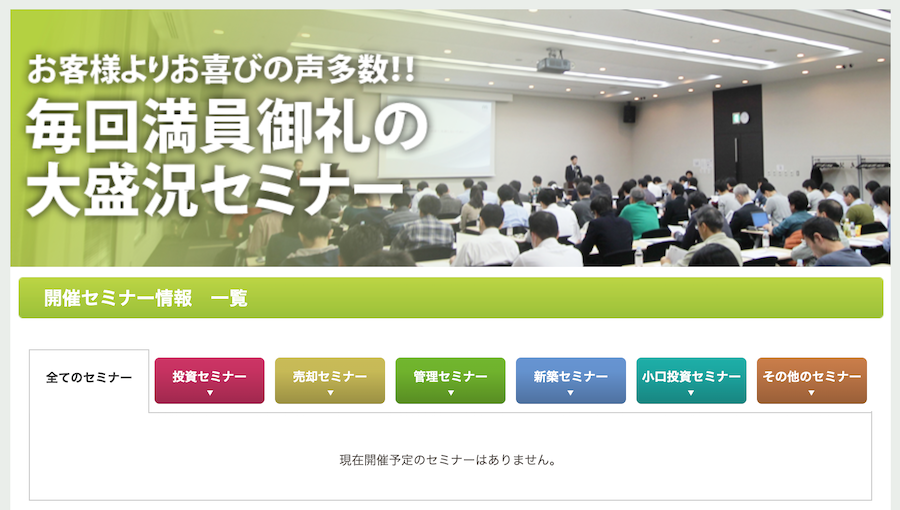
武蔵コーポレーション株式会社では、現在予定されているセミナー情報はホームページ上には記載されていません。しかし過去には、不動産投資セミナーを開催していて、現在は過去に開催されたセミナーを動画で見ることができます。
セミナーを再開する可能性はあるので、今後のスケジュールが気になる人は、定期的にチェックしてみると良いでしょう。
不動産を購入する際には節税には気をつけよう
近年、不動産投資は非常に流行っており、さまざまな人がさまざまな目的で新規参入しています。
特に富裕層の方が気になるのが“節税”でしょう。
不動産投資は投資といえども事業なので、さまざまな経費が発生します。そういった経費を利用して節税をしようと考えている方も多いのではないでしょうか。
しかし、実際は節税目的で始める不動産投資には大きな落とし穴があることも・・・。
詳しくは下記記事にまとめているので、節税目的で不動産投資を始めようという方はぜひお読みください。
サブリース契約を解除したい方へ!
サブリース契約は先述の通り、一度契約するとまさに蟻地獄。空室になることもほぼない上に、割高な管理手数料をずっと搾取され続けます。その上、賃料も下げられていく・・・。
かといって、普通の方法ではオーナーからの解約はもちろんできません。
しかし、サブリース契約が絶対に解除できないかというとそうでもありません。実は方法があります。
私も解約経験ありますし、友人のサブリース解約を手伝ったこともあります。
ちなみにサブリース契約って法律的には借地借家法によってサブリース会社が守られるため、弁護士事務所に駆け込んでも意味ないのです。。サブリース会社は法律を味方に付けてますから。。
とはいえ、そんな困ったオーナーの味方をしてくれる弁護士もいるにはいます。そういう力を借りていくことで、解約も不可能ではありません!
LINEいただけたら解約した時の話とかもできますよ。
武蔵コーポレーション株式会社口コミ評判まとめ
武蔵コーポレーションは富裕層をメインターゲットにしていることもあり、電話営業や飛び込み営業などは行っておらず、ネット広告や書籍からの集客が中心です。不動産会社ではよくある迷惑電話などの心配もないでしょう。
自社のネットワークを活かして、一般的に出回わらないような不動産物件の情報を集めて紹介しているため、気になる方も多いのではないでしょうか。
また、富裕層がメインターゲットですが、一口100万円から投資できるReBreath Fund(リブレスファンド)を提供していることからも、実際には幅広い層への対応が可能です。
不動産投資は最終的に自己責任です。最終的な判断を自分自身でできるようにするためにも、メリット、デメリットの把握など、しっかり情報収集をして、良い物件を購入できるように備えましょう。
武蔵コーポレーション株式会社の物件を検討している方へ
・提案されている価格は妥当なのだろうか?
・もっと値引き交渉はできないのだろうか?
・設定家賃は適正なのか?
・契約書の内容に落とし穴はないのだろうか?
・もっと収支を上げる方法ないのだろうか?
・必要以上の保証になっていないか?
などありましたら気軽にご連絡ください。
わたしの経験が、あなたのワンルームマンション投資をより良くすることができるかもしれません。
武蔵コーポレーション株式会社の物件を保有している方へ
・サブリース契約を解除できない
・購入したが不安が残る
・売却相談したが希望の価格にならない
・今保有している物件が適正価格なのか知りたい
・毎月の収支をもっと良くしたい
などありましたら気軽にご連絡ください。
まだ間に合います!管理手法や相談する業者を変えれば収支アップや希望価格での売却も可能です。
思い出してください、なぜマンション経営を始めようと思ったのですか?
あなたの勇気ある決断を放置しないでください。ワンルームマンション投資は正しい方法で行えば非常に有益な資産形成方法です。
わたしが、多少なりとも力になれることはあるかと思います。
わたしの友人のような人を1人でも無くすことがわたしの使命ですから。
