
株式会社フュディアルクリエーション(FUDEAL CREATION)の口コミ・評判情報|RELUXIA CITY 北新宿の評判は?
こんにちは!
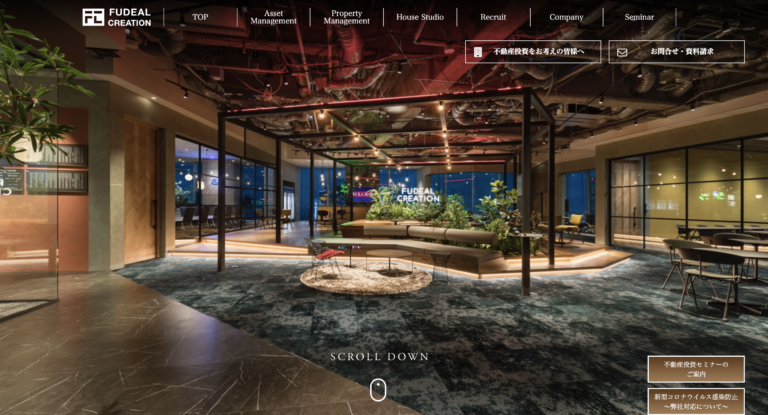
今回は「株式会社フュディアルクリエーション」について取り上げます。
評判、口コミ、不動産管理(建物修繕管理、賃貸管理)、スタッフサービス、会社概要など詳しくまとめているので、不動産投資で失敗しないためにもぜひご覧ください!
同社は2024年3月竣工予定の『RELUXIA CITY 北新宿』が注目されていますね。立地は申し分ない中で、あとは価格や物件グレードが投資対象としてどうか、と言う点が気になる点だと思います。
- 1 当ブログの管理人
- 2 不動産業界の急成長企業!フュディアルクリエーション(FUDEAL CREATION)
- 3 FJネクストから独立!株式会社フュディアルクリエーション(FUDEAL CREATION)の会社概要
- 4 不動産の「ほけんの窓口」!株式会社フュディアルクリエーション(FUDEAL CREATION)の会社の特徴は!
- 5 株式会社フュディアルクリエーションの管理事業について
- 6 株式会社フュディアルクリエーションのセミナー情報
- 7 サブリース契約を解除したい方へ!
- 8 株式会社フュディアルクリエーション(FUDEAL CREATION)口コミ評判まとめ
- 9 株式会社フュディアルクリエーション(FUDEAL CREATION)の物件を検討している方へ
- 10 株式会社フュディアルクリエーション(FUDEAL CREATION)の物件を保有している方へ
- 11 不動産投資でお悩みの方はお気軽にご連絡ください。
当ブログの管理人

当ブログの管理人

理系出身の現役サラリーマン投資家。40代の独身男性(結婚経験は有)。不動産投資を中心に投資信託や株式投資を実践中。現在、区分マンション13戸・ファミリーマンション2戸・一棟アパート4棟を保有中。投資信託や株で3億円強を運用中。不労所得は年収の2倍強。現物資産である不動産と投資信託や株などの金融商品の組み合わせることで相互補完をし、安定的な資産形成を行っています。
不動産投資に対するモットーは『売却益を得られてこその不動産投資』です。
ワンルームマンションであろうが、ファミリーだろうが、一棟アパートであろうが!売り抜いて売却益を得ないことには意味がありません。
・節税
・老後年金
・生命保険代わり
否!!不動産投資は不動産で儲けてこそです!

不動産投資は節税目的で買うと失敗する!脱税に加担してしまうケースも!?
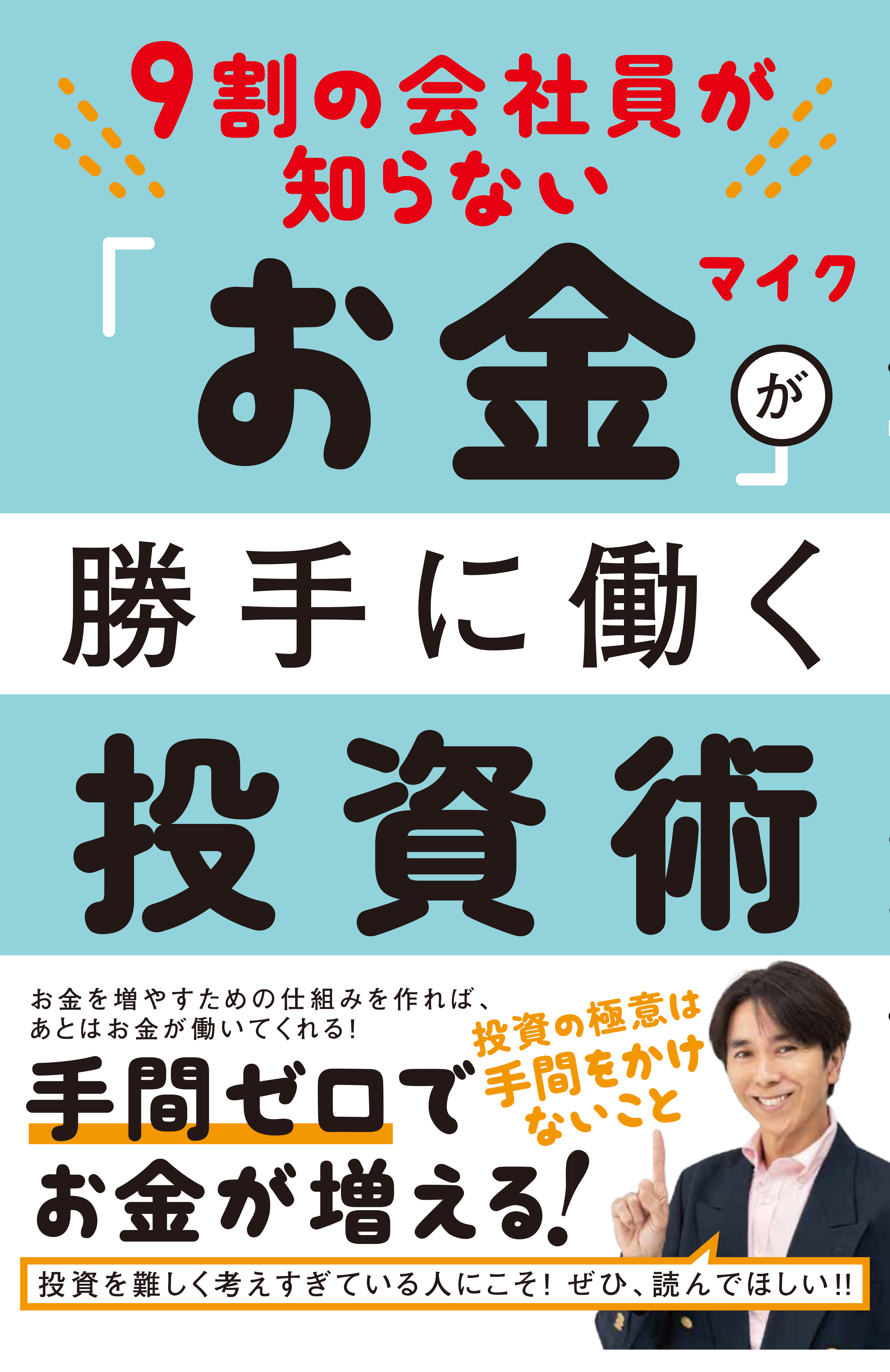
書籍を出版しています。
サラリーマンの資産形成について体系的にまとめていますので、まだ未読の方はぜひ読んでくださいね!
不動産業界の急成長企業!フュディアルクリエーション(FUDEAL CREATION)
- 193億円(2020年度)
- 196億円(2019年度)
- 145億円(2018年度)
- 89億円(2017年度実績)
- 56億円(2016年度実績)
- 23億円(2015年度実績)
- 11億円(2014年度実績)
- 1億円(2013年度実績)
2013年創業のフュディアルクリエーションは、上記の通り凄まじい勢いで成長しています。創業から10年以内に上場と社長は言っていますが、それよりも短期間で達成しそうですね!
2020年は初めての前年比割れとなっていますが、これはおそらくコロナによる影響でしょう。
では、そんな圧倒的な成長を続けるフュディアルクリエーションについて詳しく見ていきましょう!
FJネクストから独立!株式会社フュディアルクリエーション(FUDEAL CREATION)の会社概要
| 会社名 | 株式会社フュディアルクリエーション |
| 代表取締役 | 古川 伸樹 |
| 設立 | 2013年9月 |
| 資本金 | 1億円 |
| 免許番号 | 95887 |
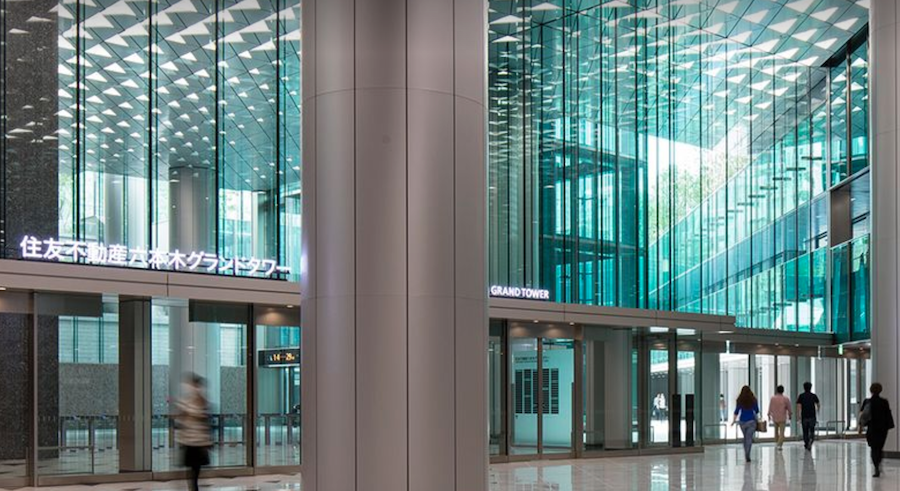
| 所在地 | 東京都港区六本木3-2-1 住友不動産六本木グランドタワー43階 |
| TEL | 0120-705-709 |
| URL | https://www.fudealcreation.com/ |
社長である古川氏は、FJネクスト出身です。当時FJネクストのスーパー営業マンだった古川氏はカリスマ的存在だったので、フュディアルクリエーションにはFJネクスト出身の社員が多くいます。
また、オフィスがある住友不動産六本木グランドタワーは、賃料が高いことでも有名なビルです。圧倒的な成長企業だからこそ入居できるんですね。
かなり利益が出ていることが窺えますね。
不動産の「ほけんの窓口」!株式会社フュディアルクリエーション(FUDEAL CREATION)の会社の特徴は!

フュディアルクリエーションでは2018年から自社ブランドマンションを販売開始しましたが、それまでは他社の新築・中古のワンルームマンションを販売していました。
そのため、顧客のニーズに合わせてどんなものでも提案できるというスタンスですね。まさに不動産業界の「ほけんの窓口」です。
実際には、フュディアルクリエーションが売りたい物件を上手に提案はしているのでしょうが、顧客からすると安心ですね。候補が沢山ある方が安心感が出るのは、心理学からも証明されています。
ただ、会社は上場を目指しているので、当然のことですが売上や利益追求になっている可能性はありますので、物件を提案されたら、冷静に判断するようにしましょう。
不動産投資ではどのような物件を購入するか、と言う点が非常に重要です。
保険や投資信託などと違って参考情報が圧倒的に少ない中で、自ら主体的に情報を取りに行く姿勢は必要ですね。
言われるがまま購入して後から後悔しても後の祭りですからね。どんな投資もそうですが、冷静な検討は必須です。
RELUXIA(リルシア)シリーズのフュディアルクリエーション(FUDEAL CREATION)の物件の特徴は!
フュディアルクリエーションでは、2018年3月に自社ブランドである「RELUXIA(リルシア)」をリリースしました。
それまで新築ワンルームマンションは他社からの仕入れでしたが、創業からたった5年で自社ブランド開発という異例のスピードで開発に成功しています!
リルシアシリーズは、
- ユーザビリティ
- 華美にしすぎない
- 駅から10分以内
を特徴としています。
これまでに手掛けた「RELUXIA(リルシア)」シリーズは以下の通りです。
- RELUXIA成増
- RELUXIA板橋区役所前
- RELUXIA府中
- RELUXIA本所吾妻橋
- RELUXIA方南町
- RELUXIA氷川台
- RELUXIA東向島
- RELUXIA TOKYO NORTH
- RELUXIA上野
- RELUXIA赤羽志茂
- RELUXIA本所吾妻橋Ⅱ
- RELUXIA門前仲町
- RELUXIA横濱鶴見
- RELUXIA横濱鶴見Ⅱ
- RELUXIA墨田八広
- RELUXIA北新宿
- RELUXIA世田谷用賀
- RELUXIA横濱吉野町
- RELUXIA両国
- RELUXIA東武練馬
- RELUXIA新大橋River Side
- RELUXIA横濱南
- RELUXIA品川東大井
- RELUXIA CITY 両国
- RELUXIA品川西大井
- RELUXIA TOKYO EAST
- RELUXIA清澄白河
- RELUXIA CITY 東向島
- RELUXIA横濱吉野町Ⅱ
- RELUXIA新御徒町
- RELUXIA森下
ハイスペックな物件が多いので、価格はどうしても相場よりも高くなるときがあります。物件検討の際は、勢いでは決めずに一度立ち止まって考えることをオススメします。
株式会社フュディアルクリエーションの管理事業について
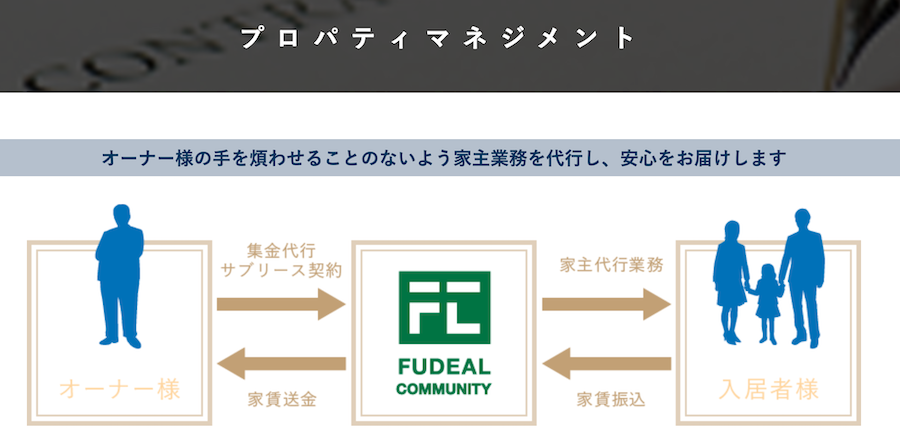
株式会社フュディアルクリエーションでは、賃貸管理も自社でサポートしています。
賃貸管理では以下のような業務の代行が可能です。
- 入居者募集
- 入居者審査
- 賃貸契約書作成
- 賃貸契約締結
- 入居者管理
- クレーム処理
- 建物管理
- 家賃集金業務
- 滞納催促
- 家賃滞納保証
- 入居立ち会い
- 退去後の修繕手配
サブリース契約は注意が必要
近年、ワンルーム不動産投資においてサブリース契約が非常に流行っています。一見投資家にとってありがたい契約に見えても実は落とし穴がある契約ですので、注意が必要です。
サブリースとは、所有している不動産を不動産管理会社に預け、入居者に転貸してもらう契約を指します。これにより、オーナーは家賃回収やクレーム処理などの手間のかかる雑務を行わずに済むため、本業を持った会社員などには便利なシステムといえます。また、入居状態にかかわらず、毎月一定の賃料が支払われるため、空室リスクを回避することができます。
しかし、安定した賃貸経営が保証されているわけではなかったり、家賃が全額保証されるわけではなかったりといった問題点もあります。最近ではサブリース契約の問題点をめぐって、さまざまなトラブルが急増しています。
主な問題点は
- 家賃が一方的に下げられる
- 入居者の情報が分からない
- 逆鞘サブリースが行われるリスクがある
- そもそもオーナーの収支が悪くなるサービスである
- 35年間、安定的な賃貸運営ができる保証ではない
- 売却時に売却価格が下がる要因になりうる
- 解約したくてもできない
などが挙げられます。
トラブルに巻き込まれないためには、契約内容をしっかりと確認し、理解しておくことが大切です。
トラブルについては消費者庁も注意喚起をしています。
節税目的の不動産投資は注意が必要・・
近年、不動産投資は非常に流行っており、さまざまな人がさまざまな目的で新規参入しています。
特に高年収の方が気になるのが“節税”でしょう。
不動産投資は投資といえども事業なので、さまざまな経費が発生します。そういった経費を利用して節税をしようと考えている方も多いのではないでしょうか。
しかし、実際は節税目的で始める不動産投資には大きな落とし穴があることも・・・。
詳しくは下記記事にまとめているので、節税目的で不動産投資を始めようという方はぜひお読みください。
株式会社フュディアルクリエーションのセミナー情報
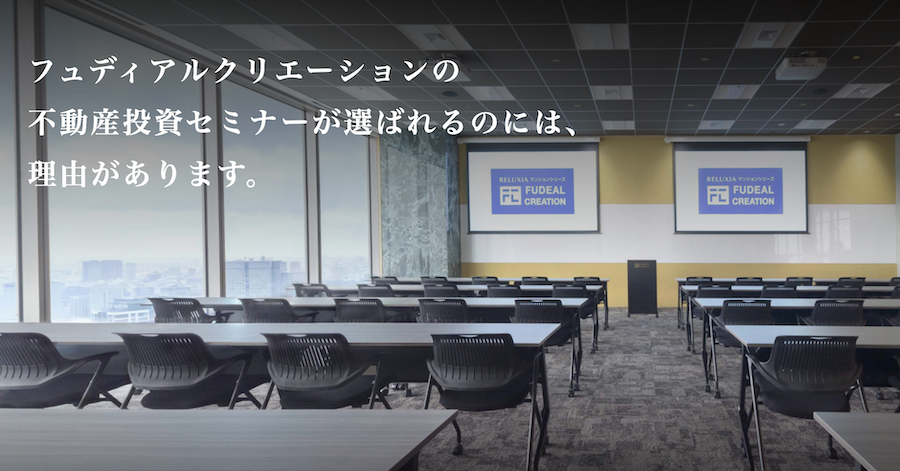
株式会社フュディアルクリエーションでは、「入門セミナー」「活用セミナー」「応用セミナー」「限定セミナー」の4つのカテゴリーに分けて、セミナーを開催しています。
スケジュールはホームページに掲載されているので、気になる人はチェックしてみると良いでしょう。
またFPや保険業者とタッグを組んでいることが多いようです。保険と不動産は似ている部分がありますからね。
FPの方からマンション投資の話があって、フュディアルクリエーションを紹介されるケースもあるようです。
FPの方はお金のプロですが、不動産のプロではありません。実際に投資している人も少ないのが現状です(FPは個人事業主が多く融資が出にくいケースが多い)。
信頼しているFPだからという理由で購入を決めるのではなく、必ず自分の目で確かめるようにしましょう。
サブリース契約を解除したい方へ!
サブリース契約は先述の通り、一度契約するとまさに蟻地獄。空室になることもほぼない上に、割高な管理手数料をずっと搾取され続けます。その上、賃料も下げられていく・・・。
かといって、普通の方法ではオーナーからの解約はもちろんできません。
しかし、サブリース契約が絶対に解除できないかというとそうでもありません。実は方法があります。
私も解約経験ありますし、友人のサブリース解約を手伝ったこともあります。
ちなみにサブリース契約って法律的には借地借家法によってサブリース会社が守られるため、弁護士事務所に駆け込んでも意味ないのです。。サブリース会社は法律を味方に付けてますから。。
とはいえ、そんな困ったオーナーの味方をしてくれる弁護士もいるにはいます。そういう力を借りていくことで、解約も不可能ではありません!
LINEいただけたら解約した時の話とかもできますよ。

株式会社フュディアルクリエーション(FUDEAL CREATION)口コミ評判まとめ
株式会社フュディアルクリエーションは、まだまだ若い不動産会社の中で、圧倒的に成長している会社です。自社ブランドである「RELUXIA(リルシア)」シリーズの展開スピードも目を見張るものがあります。上場を目指しているので、売上のスピード感は素晴らしいですね。
ただし、上場を目指すことが全てにおいてプラスになるわけではありません。上場までは売上や利益追求に目が行きがちになる可能性があるからです。良い点ばかりを見て判断してしまうと、後々後悔することもあります。不動産投資は最終的には自己責任です。本当に今が良いのか、それとも上場した後の方が良いのか、しっかりと情報を収集し、慎重に判断するようにしましょう。
株式会社フュディアルクリエーション(FUDEAL CREATION)の物件を検討している方へ
・提案されている価格は妥当なのだろうか?
・もっと値引き交渉はできないのだろうか?
・設定家賃は適正なのか?
・契約書の内容に落とし穴はないのだろうか?
・もっと収支を上げる方法ないのだろうか?
・必要以上の保証になっていないか?
などありましたら気軽にご連絡ください。
わたしの経験があなたのワンルームマンション投資をより良くすることに貢献できるかもしれません。
株式会社フュディアルクリエーション(FUDEAL CREATION)の物件を保有している方へ
・サブリース契約を解除できない
・購入したが不安が残る
・売却相談したが希望の価格にならない
・今保有している物件が適正価格なのか知りたい
・毎月の収支をもっと良くしたい
などありましたら気軽にご連絡ください。
まだ間に合います!管理手法や相談する業者を変えれば収支アップや希望価格での売却も可能です。
思い出してください、なぜマンション経営を始めようと思ったのですか?
あなたの勇気ある決断を放置しないでください。ワンルームマンション投資は正しい方法で行えば非常に有益な資産形成方法です。
わたしが、多少なりとも力になれることはあるかと思います。
わたしの友人のような人を1人でも無くすことがわたしの使命ですから。
