
株式会社日本アセットナビゲーションの口コミ・評判情報
こんにちは!
今回は「株式会社日本アセットナビゲーション」について取り上げます。
評判、口コミ、不動産管理(建物修繕管理、賃貸管理)、スタッフサービス、会社概要など詳しくまとめているので、不動産投資で失敗しないためにもぜひご覧ください!
当ブログの管理人

当ブログの管理人

理系出身の現役サラリーマン投資家。40代の独身男性(結婚経験は有)。不動産投資を中心に投資信託や株式投資を実践中。現在、区分マンション13戸・ファミリーマンション2戸・一棟アパート4棟を保有中。投資信託や株で3億円強を運用中。不労所得は年収の2倍強。現物資産である不動産と投資信託や株などの金融商品の組み合わせることで相互補完をし、安定的な資産形成を行っています。
不動産投資に対するモットーは『売却益を得られてこその不動産投資』です。
ワンルームマンションであろうが、ファミリーだろうが、一棟アパートであろうが!売り抜いて売却益を得ないことには意味がありません。
・節税
・老後年金
・生命保険代わり
否!!不動産投資は不動産で儲けてこそです!

不動産投資は節税目的で買うと失敗する!脱税に加担してしまうケースも!?
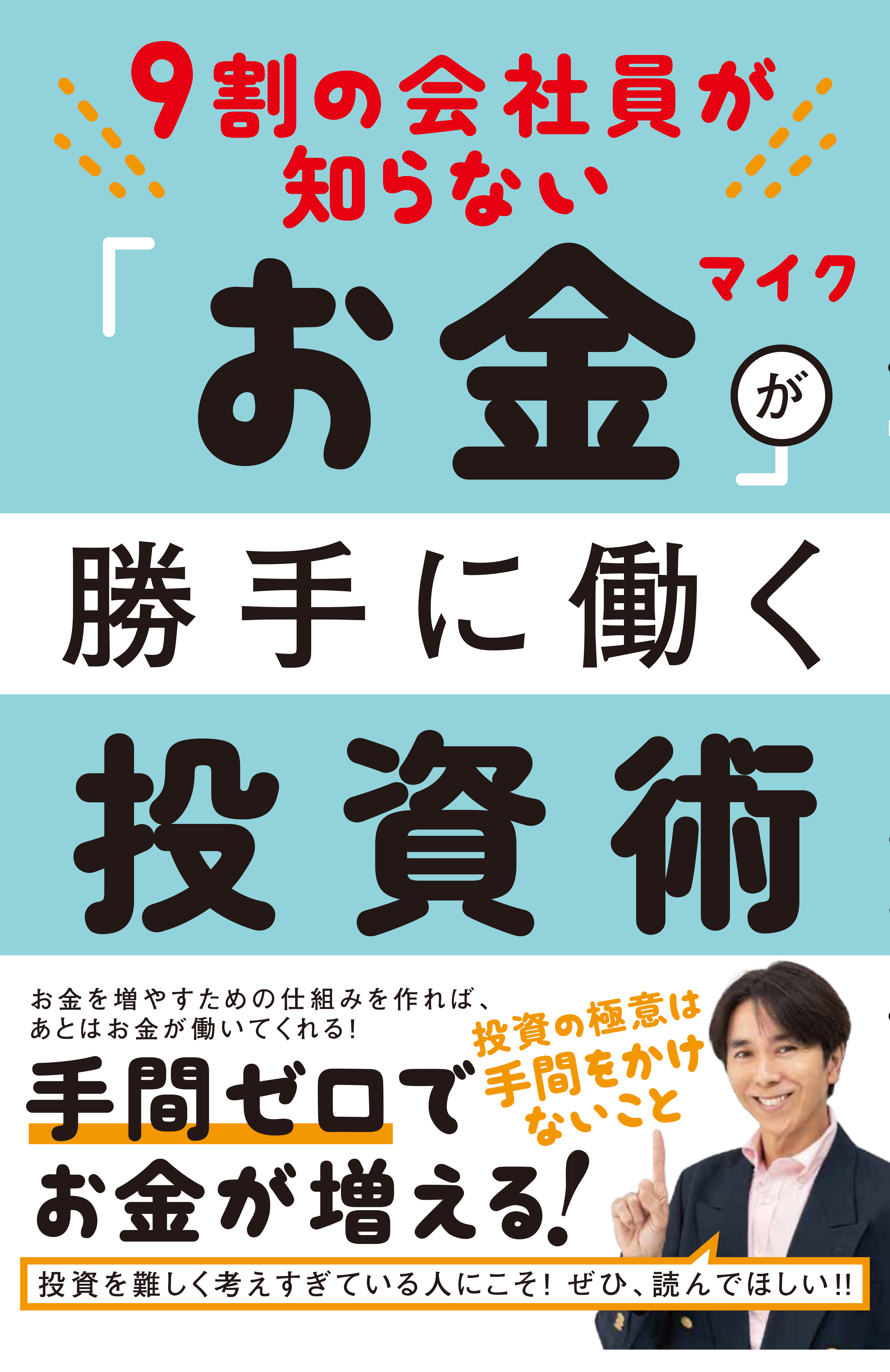
書籍を出版しています。
サラリーマンの資産形成について体系的にまとめていますので、まだ未読の方はぜひ読んでくださいね!
株式会社日本アセットナビゲーションの会社概要
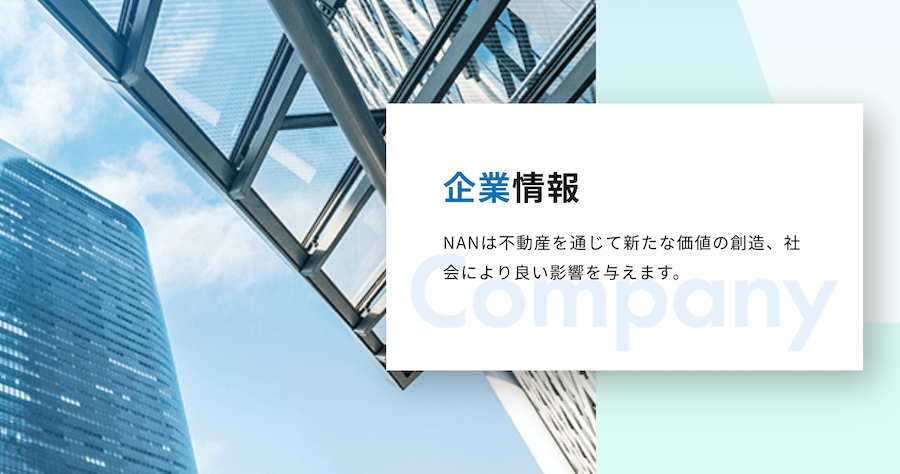
株式会社日本アセットナビゲーションは、東京都千代田区に本社を置き、東京都内を中心に、横浜・川崎などでも投資用中古区分マンションを展開する不動産会社です。物件の提案、販売にとどまらず、賃貸管理や売却相談など不動産に関するさまざまな業務を一貫してサポートしています。
他にも、不動産投資に関連したセミナーやメディアの運営、リノベーション事業などにも注力しています。「中古マンション」「メディア」「ソリューション」の3つを融合させたビジネスモデルで事業展開を行なっています。
会社名 | 株式会社日本アセットナビゲーション |
設立 | 2015年6月16日 |
資本金 | 50,000,000円 |
所在地 | 〒100-0006 東京都千代田区有楽町1丁目6-4 千代田ビル10階 |
代表者 | 茂木 亮介 |
事業内容 | 不動産投資専門メディア『NANOTA』の運営 |
所属団体 | 公益社団法人全日本不動産協会東京都本部 |
免許番号 | 宅地建物取引業:東京都知事 第98405号 |
電話番号 | 03-6205-8870 |
会社HP |
株式会社日本アセットナビゲーションの会社の特徴
日本アセットナビゲーションは、ある不動産会社と関係性があるようです。
そのためある不動産会社と酷似した提案やサービスを行っています。
このサービスについてはかなり。。。なのでご注意を。
また、ある不動産会社の社長がかつて某銀行のプライベートバンカーと懇意にしていたことで何かしらメリットがあるという噂もあります。
実際のところ優遇を受けたという人は私の調査では見つかっていないので、未だにベールに包まれています。
株式会社日本アセットナビゲーションのマンションブランド
株式会社日本アセットナビゲーションは、中古区分マンションの扱いが中心の会社なので、自社ブランドマンションなどの開発は行っていません。
なお築古物件の主流である、「トイレ」「バス」「洗面台」が一体となった3点ユニット式を、現代のニーズに合わせた形でのリノベーションを得意としています。トイレ・バスを別にし、床材なども一新、おしゃれな色合いにリノベーションした「novt(ノウト)シリーズ」の提供を行っています。
主要対応エリア
株式会社日本アセットナビゲーションでは、東京・横浜・川崎に限定して、投資用区分マンションの提案を行なっています。中でも東京23区、横浜駅周辺・川崎駅周辺、東急東横線沿いといった、将来にわたって資産価値の下がりにくい賃貸高稼働地域を主要対応エリアとしています。
好立地の物件は、入居率が高くなりやすいメリットがあります。
その一方でデメリットは、ハイスペックな物件が多いので、価格はどうしても相場よりも高くなるときがあります。物件検討の際は、勢いでは決めずに一度立ち止まって考えることをオススメします。
営業マンは購入してもらうために、様々なメリットをウリに営業トークをしてきます。
ですが、大切なことは投資としてどうなのかです。
不動産オーナーは投資家です。入居者目線ではなく、投資家目線として本当に利益が出る物件なのかを慎重に判断しましょう。
3つのカテゴリーに分けた物件紹介
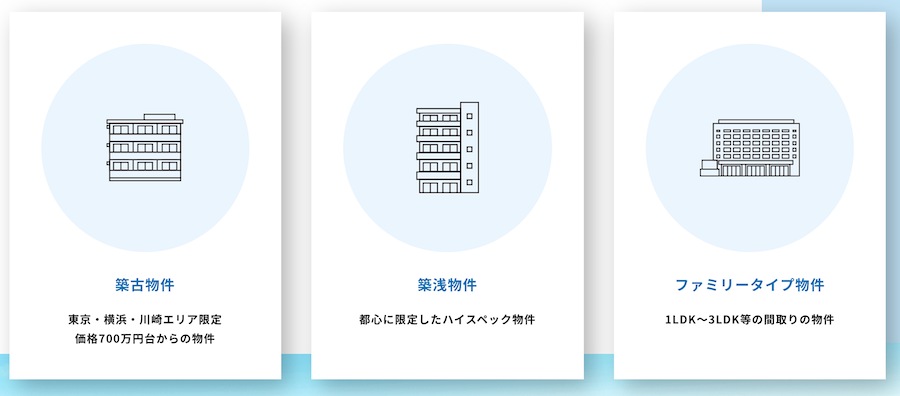
株式会社日本アセットナビゲーションでは「都心型中古マンション投資」を提案しており、独自のルートで仕入れた物件を3つのカテゴリーに分け、資産状況や目的などに合わせて物件紹介を行なっているのが特徴的です。
カテゴリーはそれぞれ
・築古物件
東京・横浜・川崎エリアに限定した700万円〜1,200万円台のバブル期物件
・築浅物件
都心に限定した築10年から15年のハイスペック物件
・ファミリータイプ物件
1LDK~3LDK等の間取りの物件
となっています。
仕入れた物件は現地調査、売主や仲介者との打ち合わせを行い、自社の査定基準を満たした物件となっています。立地を厳選し、細かなシミュレーション、豊富な提携金融機関、適性な物件価格の提示を、最新の市況に捉えた物件情報の元にお客様に提案しています。綿密なプロセスを踏むことで、将来的にも資産価値の下がりにくい物件を無理のない範囲で提供することが可能になるわけですが、とはいえ、全てを鵜呑みにするのは危険です。自分自身でもシミュレーションを行うなどして、冷静に客観的に判断できるようにしておきましょう。
不動産投資の正しい情報を知るツール「NANOTA」の運営
株式会社日本アセットナビゲーションでは、不動産投資情報を発信する会員限定メディア「NANOTA」の運営を行なっています。
無料の会員登録を行うと、
・未公開物件情報
・事例資料
・地域ごとのレポート
・実際のリノベーション写真
・中古区分マンション購入のメリット・デメリット
・不動産関連のニュース
上記の情報が閲覧できるようになります。「NANOTA」は、不動産投資の正しい情報を知るためのツールとして立ち上げられたメディアで、個人の力では辿り着けない情報の公開がコンセプトです。不動産投資家にとって役立つ内容が網羅されていますが、情報収集や知識の習得においても、他サイトの情報などと比較しながら客観的な情報収集を意識しましょう。
「真実」を隠さないコンサルティング
株式会社日本アセットナビゲーションは、どのような物件を探しているのかを徹底的にヒアリングし、一人ひとりに合わせたコンサルティングを行うことを強みとしています。不動産投資の良い面だけでなく悪い面も含め、「真実」を隠さずに解説することを掲げています。
・メリット・デメリット
・失敗しないための物件選びのポイント
・最新の金利の状況
・利回りの数字
などです。
日本アセットナビゲーションの管理・サポート体制について
株式会社日本アセットナビゲーションでは、資産価値を守り、高い収益性を維持するための管理サービスとして「おまかせパック」というサービスを提供しています。
賃貸運用についてのパック内容の詳細などはH P上では細かく掲載されていませんが、下記のサービス内容などは記載されています。
・原状回復費用0円
・家賃滞納保証
・管理手数料5%
他にも、賃貸管理業務は一般的に以下のような業務の代行を行なっています。
・入居者募集
・審査
・賃貸借契約
・家賃の収受
・滞納督促
・トラブル対応
・契約更新
・解約受付
・退去立会
・修繕リフォーム
株式会社日本アセットナビゲーションの「おまかせパック」の管理業務範囲について興味がある方は、直接問い合わせてみると良いでしょう。
サブリース契約は注意が必要
昨今サブリース契約が不動産投資と一緒に提案されるケースが増えています。
「サブリース」とは、オーナーに代わって不動産会社が賃貸住宅を借り上げ、入居者に転貸する契約のことを指します。
入居者の募集から建物のメンテナンス、家賃滞納やトラブルまで一貫して不動産会社が代行してくれる仕組みです。契約によっては入居状況にかかわらず、家賃保証がされるものもあり、心強い契約と感じるかもしれません。
しかしサブリースにはさまざまな問題点も存在します。近年ではサブリース契約をめぐったトラブルも増えています。
主なトラブルの原因は、
・家賃が一方的に下げられる
・入居者の情報が分からない
・逆鞘サブリースが行われるリスクがある
・そもそもオーナーの収支が悪くなるサービスである
・35年間、安定的な賃貸運営ができる保証ではない
・売却時に売却価格が下がる要因になりうる
・解約したくてもできない
などが挙げられます。
サブリース契約の内容は会社ごとに異なります。契約を結ぶ前にしっかりと内容を確認し、正しく理解しておくことがトラブル回避に繋がります。
トラブルについては消費者庁も注意喚起していますので確認しておくことをおすすめします。
節税目的の不動産投資は注意が必要・・
近年、不動産投資は非常に流行っており、さまざまな人がさまざまな目的で新規参入しています。
特に高年収の方が気になるのが“節税”でしょう。
不動産投資は投資といえども事業なので、さまざまな経費が発生します。そういった経費を利用して節税をしようと考えている方も多いのではないでしょうか。
しかし、実際は節税目的で始める不動産投資には大きな落とし穴があることも・・・。
詳しくは下記記事にまとめているので、節税目的で不動産投資を始めようという方はぜひお読みください。
日本アセットナビゲーションの営業社員の評判は!
不動産投資業界には、顧客に寄り添い、親身になってサポートしてくれる営業マンがいる一方、売ることだけ熱心で、販売後は対応が雑になる営業マンもいらっしゃいます。営業を経験されたことがある方ならそうなるのも仕方ないのはわかりますよね?ノルマありますからね。
営業マンをかばうわけではありませんが不動産業界はかなりノルマがきつい業界です。営業マンにおんぶにだっこではなく自分自身の足で立てるようにしましょう。自分の周りに先輩投資家などがいると気軽に聞けるので営業マンの負担をかけずに済むでしょう。
日本アセットナビゲーションのセミナー情報
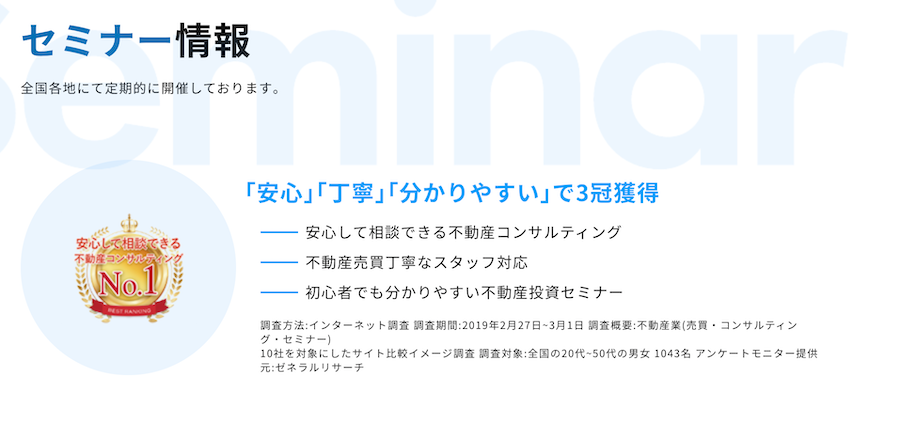
株式会社日本アセットナビゲーションでは、全国各地でセミナーを開催しています。近年は、オンラインセミナーも積極的に行っているようです。
インターネット調査によると、
- 安心して相談できる不動産コンサルティング
- 丁寧なスタッフ対応
- 初心者でも分かりやすい不動産投資セミナー
上記3部門でNo.1を獲得した実績があるようです。
サブリース契約を解除したい方へ!
サブリース契約は先述の通り、一度契約するとまさに蟻地獄。空室になることもほぼない上に、割高な管理手数料をずっと搾取され続けます。その上、賃料も下げられていく・・・。
かといって、普通の方法ではオーナーからの解約はもちろんできません。
しかし、サブリース契約が絶対に解除できないかというとそうでもありません。実は方法があります。
私も解約経験ありますし、友人のサブリース解約を手伝ったこともあります。
ちなみにサブリース契約って法律的には借地借家法によってサブリース会社が守られるため、弁護士事務所に駆け込んでも意味ないのです。。サブリース会社は法律を味方に付けてますから。。
とはいえ、そんな困ったオーナーの味方をしてくれる弁護士もいるにはいます。そういう力を借りていくことで、解約も不可能ではありません!
LINEいただけたら解約した時の話とかもできますよ。

株式会社日本アセットナビゲーションの口コミ・評判まとめ

株式会社日本アセットナビゲーションでは、東京・横浜・川崎に限定して投資用区分マンションを提案しています。3つのカテゴリーに分け、一人ひとりの状況に合わせた最適な物件の紹介を強みとしています。
販売する不動産は好立地や高スペックをウリにしていますが、その分、価格に比例して相場よりも物件価格は多少なりとも高くなっています。仕方がないことではあるのですが。。。
目的が「住む」なのか「投資」なのかをしっかりと理解したうえで、慎重に判断しましょう。
不動産投資は最終的に自己責任です。セミナーや、データを参考にすることは有意義ですが、最終的な判断は自分自身でできるようにならなくてはいけません。メリット、デメリットを把握するためにも、しっかり情報収集をするなどして、良い物件を購入できるように備えましょう。
株式会社日本アセットナビゲーションの物件を検討している方へ
・提案されている価格は妥当なのだろうか?
・もっと値引き交渉はできないのだろうか?
・設定家賃は適正なのか?
・契約書の内容に落とし穴はないのだろうか?
・もっと収支を上げる方法ないのだろうか?
・必要以上の保証になっていないか?
などありましたら気軽にご連絡ください。
わたしの経験があなたのワンルームマンション投資をより良くすることに貢献できるかもしれません。
日本アセットナビゲーションの物件を保有している方へ
・サブリース契約を解除できない
・借り換えが本当にできるのか疑問
・購入したが不安が残る
・売却相談したが希望の価格にならない
・今保有している物件が適正価格なのか知りたい
・毎月の収支をもっと良くしたい
などありましたら気軽にご連絡ください。
まだ間に合います!管理手法や相談する業者を変えれば収支アップや希望価格での売却も可能です。
思い出してください、なぜマンション経営を始めようと思ったのですか?
あなたの勇気ある決断を放置しないでください。ワンルームマンション投資は正しい方法で行えば非常に有益な資産形成方法です。
わたしが、多少なりとも力になれることはあるかと思います。
わたしの友人のような人を1人でも無くすことがわたしの使命ですから。
