
グローバル・リンク・マネジメントの評判口コミは?ポイントサイトに力を入れる不動産会社!
こんにちは!
今回は「株式会社グローバル・リンク・マネジメント」について取り上げます。
評判、口コミ、不動産管理(建物修繕管理、賃貸管理)、スタッフサービス、会社概要など詳しくまとめているので、不動産投資で失敗しないためにもぜひご覧ください!

当ブログの管理人

当ブログの管理人

理系出身の現役サラリーマン投資家。40代の独身男性(結婚経験は有)。不動産投資を中心に投資信託や株式投資を実践中。現在、区分マンション13戸・ファミリーマンション2戸・一棟アパート4棟を保有中。投資信託や株で3億円強を運用中。不労所得は年収の2倍強。現物資産である不動産と投資信託や株などの金融商品の組み合わせることで相互補完をし、安定的な資産形成を行っています。
不動産投資に対するモットーは『売却益を得られてこその不動産投資』です。
ワンルームマンションであろうが、ファミリーだろうが、一棟アパートであろうが!売り抜いて売却益を得ないことには意味がありません。
・節税
・老後年金
・生命保険代わり
否!!不動産投資は不動産で儲けてこそです!

不動産投資は節税目的で買うと失敗する!脱税に加担してしまうケースも!?
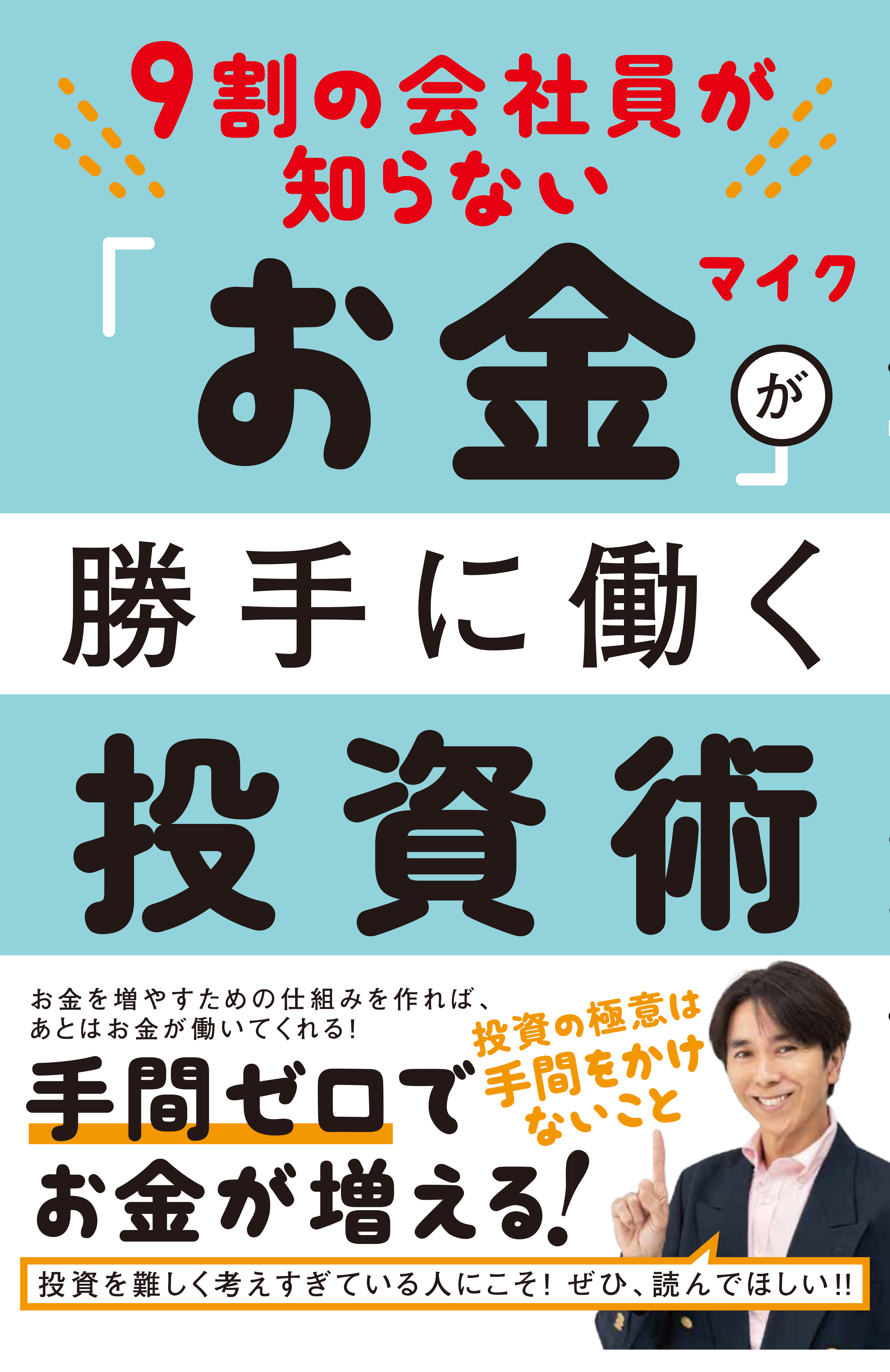
書籍を出版しています。
サラリーマンの資産形成について体系的にまとめていますので、まだ未読の方はぜひ読んでくださいね!
東京から世界へ発信!グローバル・リンク・マネジメント
グローバル・リンク・マネジメントは2017年にマザーズに上場した企業です。
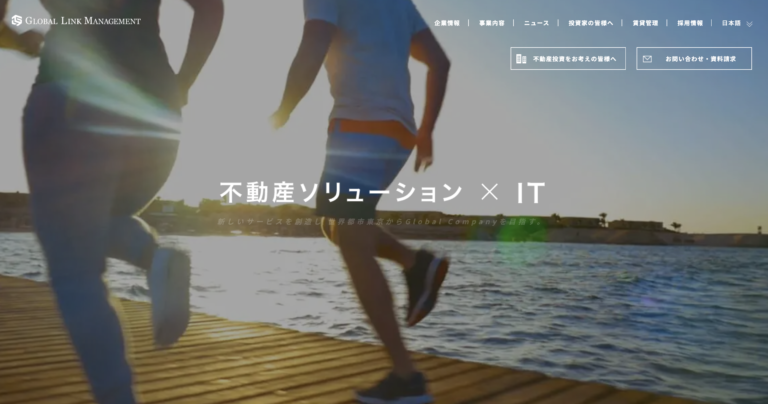
「不動産ソリューション」×「IT」により新しいサービスを創造し「東京都心の不動産」を世界に発信するグローバルカンパニーを目指しています。世界へ目を向けているのは凄いですね!
また、グローバル・リンク・マネジメントでは若い世代や医師にターゲットを絞り込んで不動産の営業を行っています。そして2018年には、アジアの富裕層をターゲットに東京の不動産販売を開始しました。
また、賃貸管理においても最長35年間・7年更新のサブリースと、他社との差別化をはかっています。
では、世界を狙うグローバル・リンク・マネジメントについて、もっと詳しく見ていきましょう!
マザーズ上場!グローバル・リンク・マネジメントの会社概要
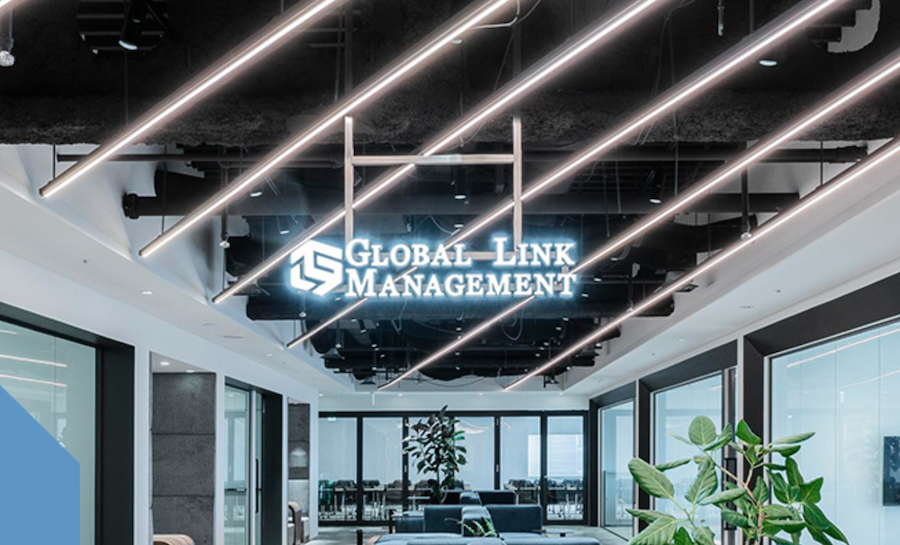
グローバル・リンク・マネジメントは、土地仕入れから販売、管理を一気通貫で行う総合ディベロッパーです。
金社長は1974年横浜生まれ。神奈川大学法学部卒業後、ノンバンク企業を経て家業の焼き肉店を立て直し、その後に株式会社ディベックスに就職します。
ディベックスは「アーバイル」シリーズを手がけるワンルームマンション会社で、グローバル・リンク・マネジメントは金社長を中心にディベックスの社員が独立して設立した会社です。
| 会社名 | 株式会社グローバル・リンク・マネジメント |
| 代表取締役 | 金 大仲 |
| 設立 | 2005年3月 |
| 資本金 | 4億8,800万円 |
| 免許番号 | 84454 |
| 所在地 | 東京都渋谷区道玄坂1丁目12番1号渋谷マークシティウエスト14階 |
| TEL | 03-6415-6525 |
| FAX | 03-3770-6020 |
| URL | https://www.global-link-m.com/ |
グローバル・リンク・マネジメントの特徴
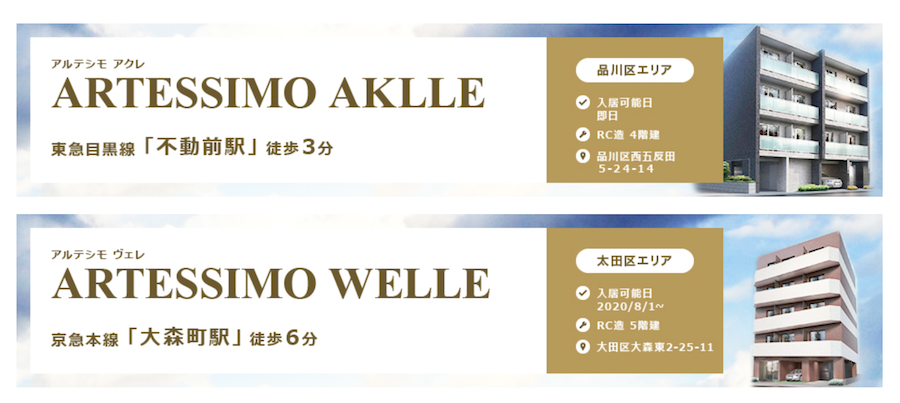
ARTESSIMO(アルテシモ)シリーズのグローバル・リンク・マネジメントの物件とは?
グローバル・リンク・マネジメントの物件は、デザイン性はもちろんのこと、自社ブランドのアルテシモシリーズに関しては「3チカ」を徹底しています!
ARTESSIMO(アルテシモ)とは「Art【芸術】+issimo【最上級】」という成り立ちの、現代イタリア語をもとに考えられた造語です。
そして3チカとは、次の条件を満たしている立地のことです。
- 駅から徒歩10分圏内(駅からチカい)
- ターミナル駅まで30分前後(都心からチカい)
- 高い地価(チカ)
首都圏の通勤・通学時間はドアツードアで平均35.3分(リクルート調べ)ですから、かなり好条件ということになります。
これだけの立地であれば、長期に渡り資産価値が下がらないとグローバル・リンク・マネジメントは判断しているんですね。
とはいえ、3チカの条件に合う土地を見つけるのは至難の業といえます。
そこで、グローバル・リンク・マネジメントは新たな土地所有者層のニーズを喚起する「等価交換スキーム」を使って土地仕入れを行っています。
相続問題で困っている土地所有者に対して、等価交換スキームにより救済するという内容です。
グローバル・リンク・マネジメントとしては通常は出てこない好条件の土地が手に入りますし、土地所有者にもこんなメリットがあります!
- 自己資金なしで建物を建築
- 交換住戸に関しては譲渡所得税負担もなし(交換差金発生時のみ課税)
- マンション貸出により賃料収入発生
このスキームがより認知されれば、さらに魅力のあるマンション開発ができそうですね。
過去にはこれだけの物件を手掛けています。
- アルテシモ 大森
- アルテシモ ラート
- アルテシモ グレアス
- アルテシモ カーロ
- アルテシモ サグラ
- アルテシモ ピトレ
- アルテシモ ルスト
- アルテシモ バテル
- アルテシモ ポルト
- アルテシモ テソロ
- アルテシモ ラヴィ
- アルテシモ アスタ
- アルテシモ レーヴ
- アルテシモ グラード
- アルテシモ フォルテ
- アルテシモ エスト
- アルテシモ オアゾ
- アルテシモ クレア
- アルテシモ ステラ
- アルテシモ ストーリア
- アルテシモ ジーノ
- アルテシモ グランツ
- アルテシモ アルド
- アルテシモ プリマ
- アルテシモ リリア
- アルテシモ ヴィータ
- アルテシモ フィーノ
- アルテシモ レガ
- アルテシモ フラン
- アルテシモ ルーチェ
- アルテシモ アソラ
- アルテシモ ディオ
- アルテシモ アヴァンテ
- アルテシモ グランデリア
- アルテシモ フィリーフ
- アルテシモ ヴァレント
- アルテシモ リンクベリス
- アルテシモ リンククロス
- アルテシモ リンククロッソ
- アルテシモ ブランシェプロヴァ
- アルテシモ リンクコモド
- アルテシモ フォンテ
- アルテシモ リンクディセラ
- アルテシモ リンクフィオーレ
- アルテシモ パッソ
- アルテシモ アクアバカンザ
- アルテシモ アクアリンクビスタ
- アルテシモ リベロ
- アルテシモ アクアコンコルディア
- アルテシモ リンクトアレスト
- アルテシモ 志村坂上
- スパシエアルテシモベッタ
- アルテシモ シエロ
アルテシモシリーズだけではなく、他社とのジョイントベンチャー事業による「トラディス」シリーズや、資産価値の高い物件をオーナーチェンジにて提供する「メビウス」シリーズがあります。
同社の物件は高い!?研究所コストも乗ってくる可能性大
グローバル・リンク・マネジメントは、不動産市況の調査機関である「グローバル都市不動産研究所」を抱えています。
不動産会社が発信する情報は基本的にポジショントークなので、同研究所の発信内容が投資家にとって役に立つ可能性はあまり・・・。
加えて、同研究所には明治大学の名誉教授を据えており、その人件費は結果的に物件価格に転嫁されることになりますね。。。
医師専門のサービス「ドクターズ コンシェルジュ」
グローバル・リンク・マネジメントには、医師向けの不動産投資サービス「ドクターズコンシェルジュ」があります。専用のコンシェルジュによって、不動産だけでなく、所得税や相続税などの税金対策、あるいは保険のことや開業相談にも無料で乗ってくれるサービスです。
医師に特化したサービスを提供しているのは、1つの大きな特徴ですね。
ポイントサイトでは高額キャッシュバックキャンペーンを展開

グローバルリンクマネジメントでは、ポイントサイト経由で物件を購入すると、15万円のポイント還元があるようです。実質キャッシュバックですね。15万円キャッシュバックするので、物件買いませんか?というオファーとも取れますが、不動産価格はご存知のように高額。
15万円もらっても、物件選びを間違えればそれ以上の損失も全然ありうるので、物件選びは慎重に行いましょう。
グローバル・リンク・マネジメントの管理事業について
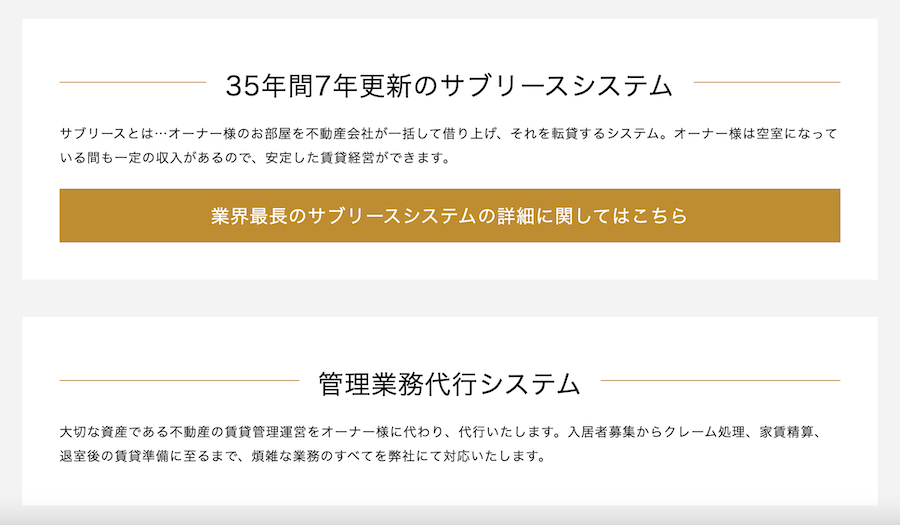
先ほどお伝えしましたが、グローバル・リンク・マネジメントでは、販売、物件管理、賃貸管理を一気通貫で行う会社です。購入後のサポートを丸投げできるのは手離れが良く助かりますよね。
一般的な賃貸管理では以下のような業務の代行が可能です。
- 入居者募集
- 入居者審査
- 賃貸契約書作成
- 賃貸契約締結
- 入居者管理
- クレーム処理
- 建物管理
- 家賃集金業務
- 滞納催促
- 家賃滞納保証
- 入居立ち会い
- 退去後の修繕手配
どのような業務をどのぐらいの費用で依頼できるかは、会社によっても差があるので、株式会社グローバル・リンク・マネジメントで求めるサービス提供があるか、直接確認してみると良いでしょう。
サブリース契約は注意が必要
サブリース契約とは不動産投資における家賃保証を意味します。
サブリース業者が、たとえ物件が空室だったとしても、月々の家賃を事前の取り決め通りの金額で振り込んでくれるという契約であり、不動産投資初心者にはとても親切な契約に見えることが特徴です。
しかしながら、サブリース契約にはたくさんの問題点があり、近年トラブルは急増中です。
主なトラブルは、
- 家賃が一方的に下げられる
- 入居者の情報が分からない
- 逆鞘サブリースが行われるリスクがある
- そもそもオーナーの収支が悪くなるサービスである
- 35年間、安定的な賃貸運営ができる保証ではない
- 売却時に売却価格が下がる要因になりうる
- 解約したくてもできない
など、色々あります。
トラブルが多いということで、消費者庁も注意喚起しています。
https://www.caa.go.jp/policies/policy/consumer_policy/caution/caution_011/
詳しくはこちらの記事を参照してください。
節税目的の不動産投資は注意が必要・・
近年、不動産投資は非常に流行っており、さまざまな人がさまざまな目的で新規参入しています。
特に高年収の方が気になるのが“節税”でしょう。
不動産投資は投資といえども事業なので、さまざまな経費が発生します。そういった経費を利用して節税をしようと考えている方も多いのではないでしょうか。
しかし、実際は節税目的で始める不動産投資には大きな落とし穴があることも・・・。
詳しくは下記記事にまとめているので、節税目的で不動産投資を始めようという方はぜひお読みください。
セミナー情報
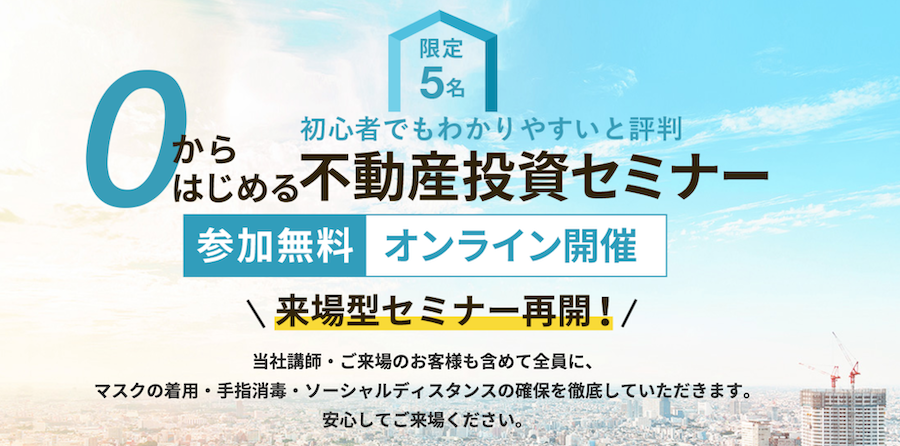
グローバル・リンク・マネジメントではセミナーにも力を入れています。初心者にもわかりやすいと評判です。
セミナーは来場型だけではなく、オンラインも数多くあります。また、時間帯も仕事終わりの夜だけではなく、早朝やお昼休憩に受けられるものもあります。
セミナーの日程についてはホームページ上で案内が出ているので、興味のある方はチェックするようにしてみてください。
サブリース契約を解除したい方へ!
サブリース契約は先述の通り、一度契約するとまさに蟻地獄。空室になることもほぼない上に、割高な管理手数料をずっと搾取され続けます。その上、賃料も下げられていく・・・。
かといって、普通の方法ではオーナーからの解約はもちろんできません。
しかし、サブリース契約が絶対に解除できないかというとそうでもありません。実は方法があります。
私も解約経験ありますし、友人のサブリース解約を手伝ったこともあります。
ちなみにサブリース契約って法律的には借地借家法によってサブリース会社が守られるため、弁護士事務所に駆け込んでも意味ないのです。。サブリース会社は法律を味方に付けてますから。。
とはいえ、そんな困ったオーナーの味方をしてくれる弁護士もいるにはいます。そういう力を借りていくことで、解約も不可能ではありません!
LINEいただけたら解約した時の話とかもできますよ。
グローバル・リンク・マネジメントの評判まとめ
株式会社グローバル・リンク・マネジメントは、ITと不動産の融合に力を入れている企業です。3チカ条件を満たしている自社ブランド「アルテシモ」シリーズだけではなく、「トラディス」シリーズや「メビウス」シリーズなど、他社とのジョイントベンチャー事業にも力を入れています。上場している点でも、安心の会社といえるでしょう。
ただし、不動産投資は最終的に自己責任です。会社の規模などを参考にすることは大切ですが、最終的な判断は自分自身でできるようにならなくてはいけません。メリット、デメリットを把握するためにも、しっかり情報収集をするなどして、良い物件を購入できるようにしっかりと準備しましょう。
グローバル・リンク・マネジメントの物件を検討している方へ
・提案されている価格は妥当なのだろうか?
・もっと値引き交渉はできないのだろうか?
・設定家賃は適正なのか?
・契約書の内容に落とし穴はないのだろうか?
・もっと収支を上げる方法ないのだろうか?
・必要以上の保証になっていないか?
などありましたら気軽にご連絡ください。
わたしの経験が、あなたのワンルームマンション投資をより良くすることができるかもしれません。
グローバル・リンク・マネジメントの物件を保有している方へ
・サブリース契約を解除できない
・購入したが不安が残る
・売却相談したが希望の価格にならない
・今保有している物件が適正価格なのか知りたい
・毎月の収支をもっと良くしたい
などありましたら気軽にご連絡ください。
まだ間に合います!管理手法や相談する業者を変えれば収支アップや希望価格での売却も可能です。
思い出してください、なぜマンション経営を始めようと思ったのですか?
あなたの勇気ある決断を放置しないでください。ワンルームマンション投資は正しい方法で行えば非常に有益な資産形成方法です。
わたしが、多少なりとも力になれることはあるかと思います。
わたしの友人のような人を1人でも無くすことがわたしの使命ですから。
