
クリアルパートナーズ株式会社(旧株式会社ブリッジ・シー・エステート)の口コミ・評判情報!
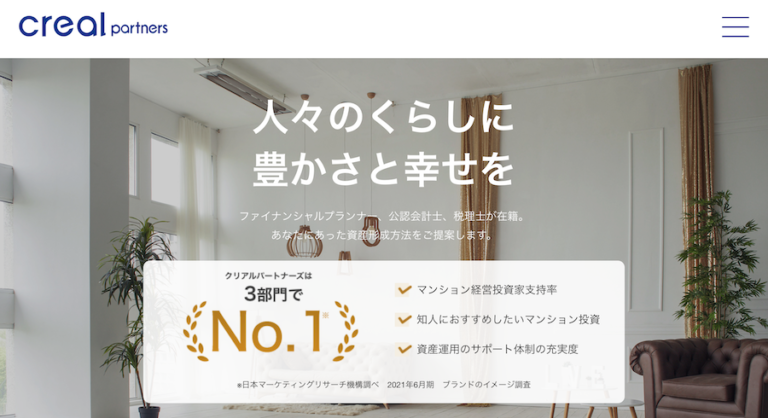
この記事では、東京都心部・横浜などを中心に投資用の区分マンションを扱う「クリアルパートナーズ株式会社(旧株式会社ブリッジ・シー・エステート)」について見ていきたいと思います。事業内容や扱う物件の特徴などから、不動産投資を始める価値があるかどうかをチェックしていきましょう。
当ブログの管理人

当ブログの管理人

理系出身の現役サラリーマン投資家。40代の独身男性(結婚経験は有)。不動産投資を中心に投資信託や株式投資を実践中。現在、区分マンション13戸・ファミリーマンション2戸・一棟アパート4棟を保有中。投資信託や株で3億円強を運用中。不労所得は年収の2倍強。現物資産である不動産と投資信託や株などの金融商品の組み合わせることで相互補完をし、安定的な資産形成を行っています。
不動産投資に対するモットーは『売却益を得られてこその不動産投資』です。
ワンルームマンションであろうが、ファミリーだろうが、一棟アパートであろうが!売り抜いて売却益を得ないことには意味がありません。
・節税
・老後年金
・生命保険代わり
否!!不動産投資は不動産で儲けてこそです!

不動産投資は節税目的で買うと失敗する!脱税に加担してしまうケースも!?
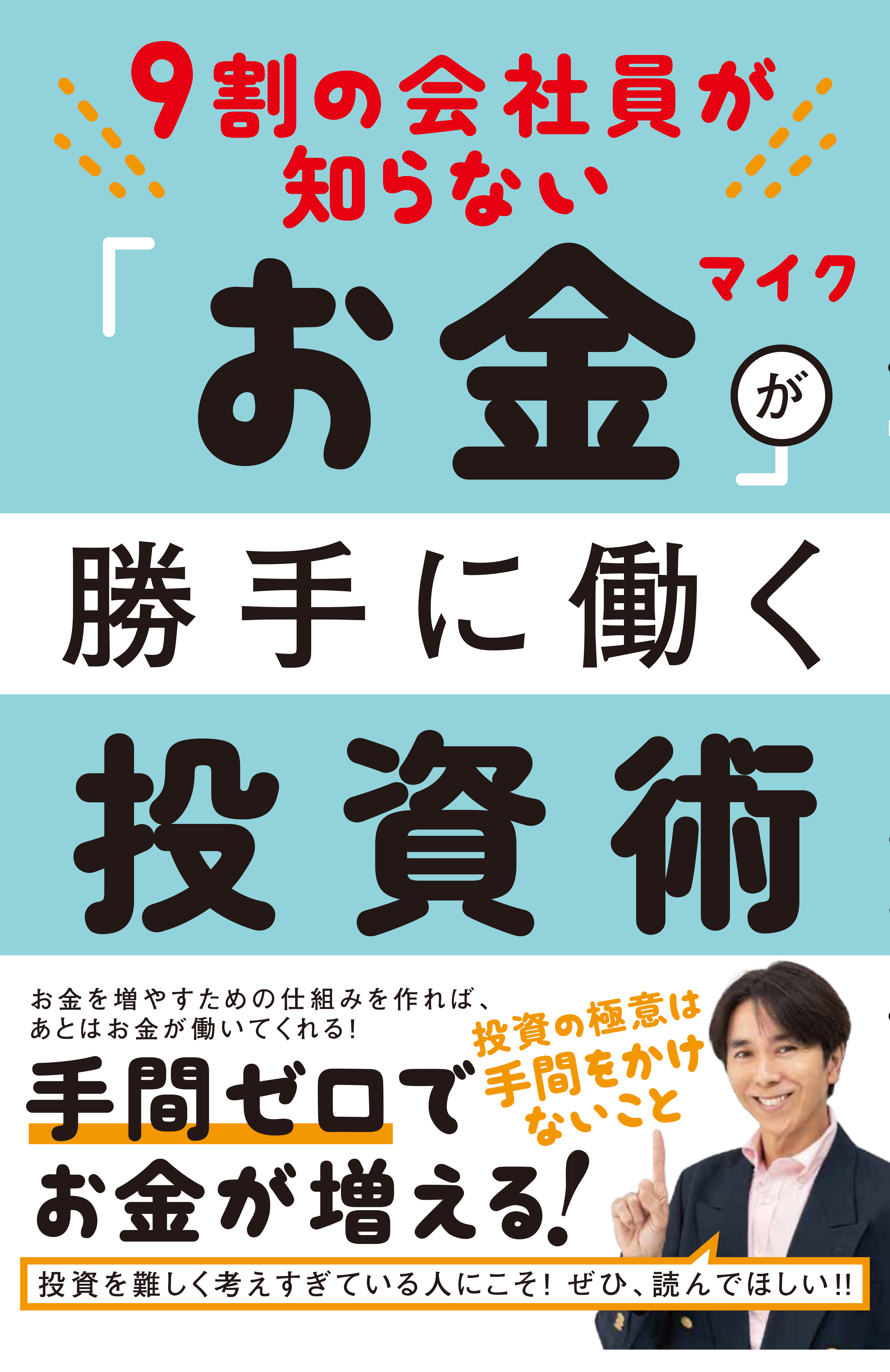
書籍を出版しています。
サラリーマンの資産形成について体系的にまとめていますので、まだ未読の方はぜひ読んでくださいね!
クリアルパートナーズ株式会社(旧株式会社ブリッジ・シー・エステート)の会社概要
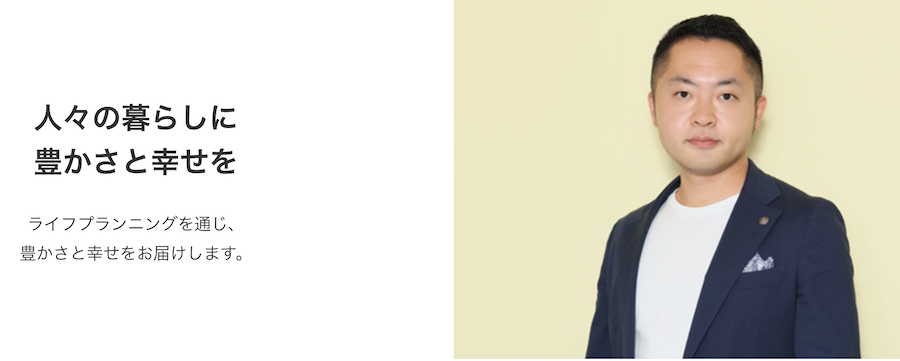
クリアルパートナーズ株式会社は、2013年に日本不動産イニシアティブ株式会社として設立され、2017年に株式会社ブリッジ・シー・エステートへ、そして2021年に現在のクリアルパートナーズ株式会社へと社名変更しています。事業戦略的な意味合いなのかもしれませんが、社名がよく変わりますね。
ワンルームマンションを中心とした投資用不動産を扱う会社で、賃貸管理、出口戦略の提案など、ワンストップで不動産投資をサポートしています。グループ会社と連携し、不動産×IT事業の推進を目標に、売買、マーケティング、営業ツール、運用管理システムなど、さまざまなフェーズにITの力を注いでいる成長企業です。
会社名 | クリアルパートナーズ株式会社 |
設立 | 2013年10月 |
資本金 | 14,000,000円 |
所在地 | 〒110-0015 東京都台東区東上野2-13-2 |
代表者 | 澁谷 賢一 |
事業内容 | 東京都心区分マンションの販売 |
所属団体 | 公益社団法人 東京都宅地建物取引業協会 |
免許番号 | 宅地建物取引業 東京都知事 96109号 |
電話番号 | 03-6264-2592 |
取引金融機関 | イオン住宅ローンサービス株式会社 / オリックス銀行株式会社 / 株式会社SBJ銀行 / 株式会社ジャックス / 西武信用金庫 / 東京シティ信用金庫 / 株式会社日本政策金融公庫 / 株式会社みずほ銀行 / 株式会社三井住友銀行 / 株式会社三菱UFJ銀行 / 株式会社横浜銀行 |
会社HP | |
関連会社 | クリアル株式会社 |
クリアルパートナーズ株式会社(旧株式会社ブリッジ・シー・エステート)の特徴
クリアルパートナーズ株式会社(旧株式会社ブリッジ・シー・エステート)のマンションブランド
クリアルパートナーズ株式会社では、自社ブランドマンションの開発は行っていません。主に東京都心部・横浜などを中心とした、資産価値の高い区分中古マンションの販売を行っています。
30項目にもおよぶ自社の選定基準があり、一定の基準を満たした物件のみを厳選して仕入れていることをウリにしています。立地や設備などから、金融機関に評価されやすく、投資用ローンが組みやすい物件選定ができることも強みとしてアピールしています。
クリアルパートナーズ株式会社の物件の特徴は?
クリアルパートナーズ株式会社は、東京都心部・横浜など都内中心で物件を扱っています。特に東京都心部は、賃貸需要の高い5区(千代田区、中央区、港区、渋谷区、新宿区)を主要対応エリアとしています。
いずれも企業や学校などへのアクセスが良く、将来的にも資産価値が下がりにくい地域と言えます。扱っている物件の多くは、最寄り駅まで徒歩10分未満という好立地です。クリアルパートナーズ株式会社では、 98.8%と高い入居率を誇っています(2019年1月時点)。
好立地な物件は、入居率が高くなりやすいメリットがあります。
その一方でデメリットは、ハイスペックな物件が多いので、価格はどうしても相場よりも高くなるときがあります。物件検討の際は、勢いでは決めずに一度立ち止まって考えることをオススメします。
営業マンは購入してもらうために、様々なメリットをウリに営業トークをしてきます。
ですが、大切なことは投資としてどうなのかです。
不動産オーナーは投資家です。入居者目線ではなく、投資家目線として本当に利益が出る物件なのかを慎重に判断しましょう。
不動産投資に精通する専門家がアドバイス
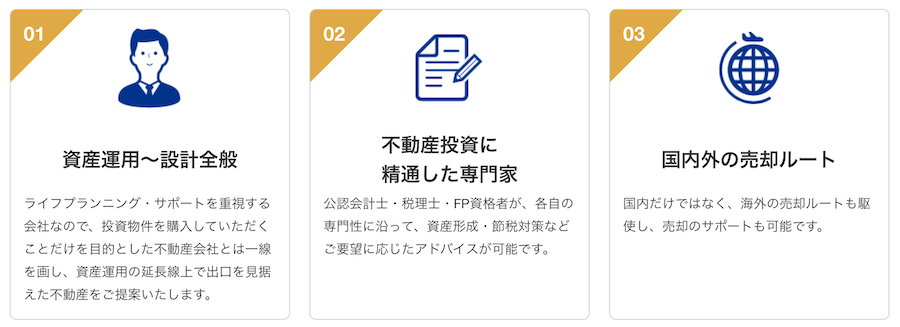
代表である澁谷 賢一氏は公認会計士と税理士の有資格者であることから、クリアルパートナーズ株式会社は、公認会計士・税理士・FP・行政書士などの有資格者が、各自の専門性に沿ったアドバイスを行うことを強みとしています。投資物件の購入だけを目的にせず、「出口を見据えた資産形成や節税対策」など、顧客一人ひとりの要望に応じたコンサルティングに特徴があります。
各分野の専門知識を持ったスタッフが在籍していることで、ワンストップで資産形成のトータルプランニングを可能にしているようですが、当然ながら任せきりは危険です。不動産会社は自分たちの提案する物件を販売するのが仕事なので、他社物件と比較しながら、冷静に判断するようにしましょう。
不動産投資のクラウドファンディング
グループ会社となる「クリアル株式会社」では、1万円からできる不動産投資のクラウドファンディングサービスを提供しています。クリアルパートナーズ株式会社では、不動産購入にあたり、借り入れに不安を感じている人に向けてこれらのサービスの提案も行っています。
1万円からという少額で投資を始められる点は、不動産投資初心者にとって魅力的に映るかもしれませんが、少額の投資で得られるリターンはごくごく僅かです。投資と言えるほどのリターン、運用はできない点を頭に入れておきながら、安いから、手軽だからという理由だけで不要なサービスに手を出さないようにしましょう。
クリアルパートナーズ株式会社の管理事業について
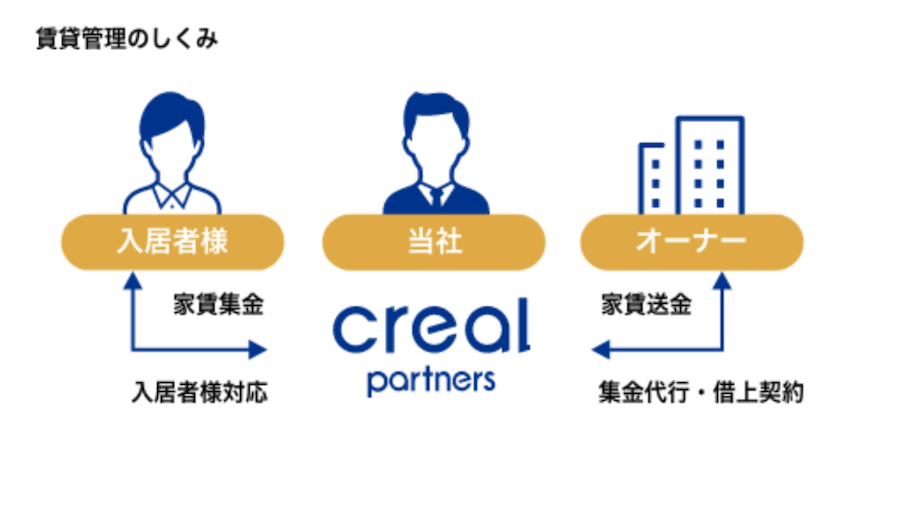
クリアルパートナーズ株式会社では、物件購入後の賃貸管理もワンストップでサポートしています。本来オーナーが行うべき管理業務を代行してくれるため、忙しい会社員でも安心して賃貸経営を行うことができます。
ホームページ上では、以下の業務の代行を行っています。
・入居者の募集
・賃貸契約
・クレーム対応
・物件管理
・確定申告書類作成サポート
一般的な賃貸管理業務となると、他にも下記のような業務があります。
・集金代行
・退去手続き
・更新業務
・物件の修繕手配
・契約書や必要書類の作成
クリアルパートナーズ株式会社の賃貸管理の範囲が気になる方は、直接確認してみると良いでしょう。物件サポートだけでなく、年金、社会保険、保険、税金、相続など、ライフプランニングの相談も受け付けているようですが、自社サービスの売り込みもされる可能性もあるので注意しましょう。
サブリース契約は注意が必要
昨今サブリース契約が不動産投資と一緒に提案されるケースが増えています。
不動産会社がオーナーから賃貸物件を一括で借り上げ、入居者に転貸する仕組みを「サブリース契約」といいます。この契約を結ぶと、入居の状況にかかわらず、オーナーは毎月一定の家賃が保証されます。また、入退去に関する手続きや家賃の集金業務などを不動産会社が代行してくれます。
オーナーにとってメリットのある契約に思えるかもしれませんが、サブリース契約にはデメリットも多く存在します。近年では、デメリットを原因としたトラブルも急増しています。
主なトラブルの原因は、
・家賃が一方的に下げられる
・入居者の情報が分からない
・逆鞘サブリースが行われるリスクがある
・そもそもオーナーの収支が悪くなるサービスである
・35年間、安定的な賃貸運営ができる保証ではない
・売却時に売却価格が下がる要因になりうる
・解約したくてもできない
などさまざまです。
トラブルに発展する可能性があることもしっかりと把握したうえで、契約することが大切です。デメリットを知ることで、リスクを軽減・回避できる可能性が広がります。サブリース契約に限らず、不動産投資を行う際には、メリットとデメリットの両方をきちんと理解しておきましょう。
サブリース契約に関するトラブルについては消費者庁も注意喚起しています。
節税目的の不動産投資は注意が必要・・
近年、不動産投資は非常に流行っており、さまざまな人がさまざまな目的で新規参入しています。
特に高年収の方が気になるのが“節税”でしょう。
不動産投資は投資といえども事業なので、さまざまな経費が発生します。そういった経費を利用して節税をしようと考えている方も多いのではないでしょうか。
しかし、実際は節税目的で始める不動産投資には大きな落とし穴があることも・・・。
詳しくは下記記事にまとめているので、節税目的で不動産投資を始めようという方はぜひお読みください。
クリアルパートナーズ株式会社のセミナー情報
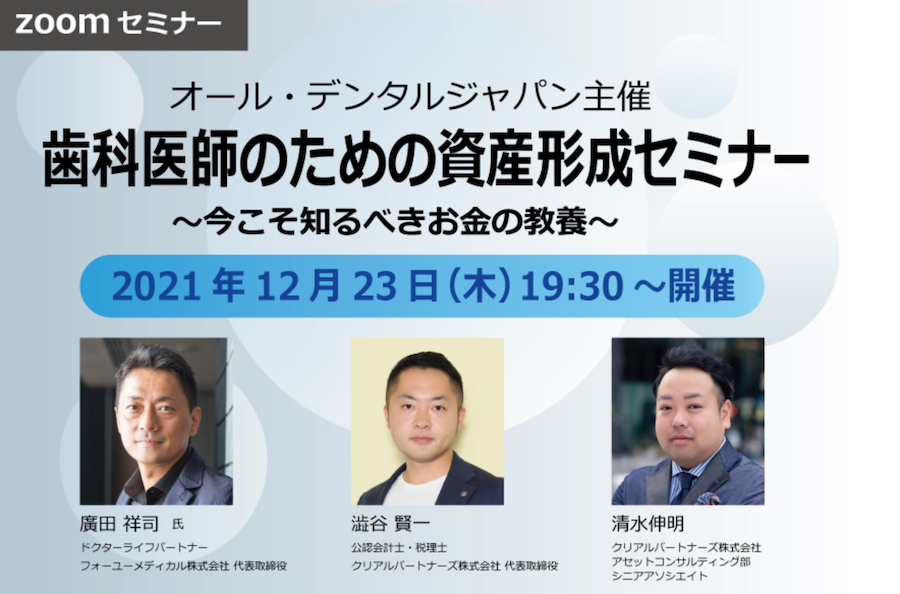
クリアルパートナーズ株式会社では、不動産投資初心者から上級者まで、豊富なテーマでセミナーを開催しています。たとえば、初心者向けセミナーでは「不動産投資のメリットやリスク」「物件の選び方」といった基礎知識を教えています。
一方、すでに物件を所有している人向けのセミナーでは、「確定申告について」「資産管理会社のつくり方」「賃貸管理のコツ」などの情報を提供しています。
クリアルパートナーズ株式会社の営業社員の評判は!?
不動産投資業界には、顧客に寄り添い、親身になってサポートしてくれる営業マンがいる一方、売ることだけ熱心で、販売後は対応が雑になる営業マンもいらっしゃいます。営業を経験されたことがある方ならそうなるのも仕方ないのはわかりますよね?ノルマありますからね。
営業マンをかばうわけではありませんが不動産業界はかなりノルマがきつい業界です。営業マンにおんぶにだっこではなく自分自身の足で立てるようにしましょう。自分の周りに先輩投資家などがいると気軽に聞けるので営業マンの負担をかけずに済むでしょう。
サブリース契約を解除したい方へ!
サブリース契約は先述の通り、一度契約するとまさに蟻地獄。空室になることもほぼない上に、割高な管理手数料をずっと搾取され続けます。その上、賃料も下げられていく・・・。
かといって、普通の方法ではオーナーからの解約はもちろんできません。
しかし、サブリース契約が絶対に解除できないかというとそうでもありません。実は方法があります。
私も解約経験ありますし、友人のサブリース解約を手伝ったこともあります。
ちなみにサブリース契約って法律的には借地借家法によってサブリース会社が守られるため、弁護士事務所に駆け込んでも意味ないのです。。サブリース会社は法律を味方に付けてますから。。
とはいえ、そんな困ったオーナーの味方をしてくれる弁護士もいるにはいます。そういう力を借りていくことで、解約も不可能ではありません!
LINEいただけたら解約した時の話とかもできますよ。

クリアルパートナーズ株式会社(旧株式会社ブリッジ・シー・エステート)のまとめ
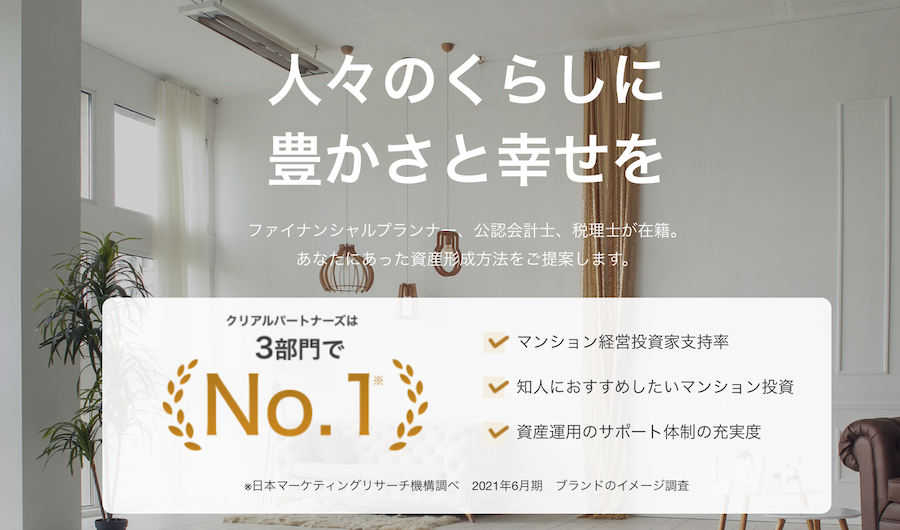
クリアルパートナーズ株式会社は、賃貸需要の高い都内5区、横浜エリアなどを中心に、中古区分マンションの販売を行っています。公認会計士・税理士などの資格を持った、専門家による不動産投資コンサルティングに強みを持ち、グループ会社一環でワンストップサポートを行っています。
ただし、不動産投資で大切なことは物件を購入することではなく、購入した後です。
また、好立地な物件は良いことです!
しかし、近年は物件価格が上がってきています。ちょっと。。。なのでは?と思うものも出てきています。
購入前に再度検討は必要かと思います。
また基本的に購入後は持ち続けるのが前提となってくる物件です。
転売利益を目的とする売却目的での保有には向いていません。
数年寝かして売却益を狙うのであれば再考しましょう!
目的が「住む」なのか「投資」なのかをしっかりと理解したうえで、慎重に判断しましょう。
不動産投資は最終的に自己責任です。セミナーや、データを参考にすることは有意義ですが、最終的な判断は自分自身でできるようにならなくてはいけません。メリット、デメリットを把握するためにも、しっかり情報収集をするなどして、良い物件を購入できるように備えましょう。
クリアルパートナーズ株式会社(旧株式会社ブリッジ・シー・エステート)の物件を検討している方へ
・提案されている価格は妥当なのだろうか?
・もっと値引き交渉はできないのだろうか?
・設定家賃は適正なのか?
・契約書の内容に落とし穴はないのだろうか?
・もっと収支を上げる方法ないのだろうか?
・必要以上の保証になっていないか?
などありましたら気軽にご連絡ください。
わたしの経験があなたのワンルームマンション投資をより良くすることに貢献できるかもしれません。
クリアルパートナーズ株式会社(旧株式会社ブリッジ・シー・エステート)の物件を保有している方へ
・サブリース契約を解除できない
・購入したが不安が残る
・売却相談したが希望の価格にならない
・今保有している物件が適正価格なのか知りたい
・毎月の収支をもっと良くしたい
などありましたら気軽にご連絡ください。
まだ間に合います!管理手法や相談する業者を変えれば収支アップや希望価格での売却も可能です。
思い出してください、なぜマンション経営を始めようと思ったのですか?
あなたの勇気ある決断を放置しないでください。ワンルームマンション投資は正しい方法で行えば非常に有益な資産形成方法です。
わたしが、多少なりとも力になれることはあるかと思います。
わたしの友人のような人を1人でも無くすことがわたしの使命ですから。
